
Mexico resumes cattle exports to US: What European farmers should monitor
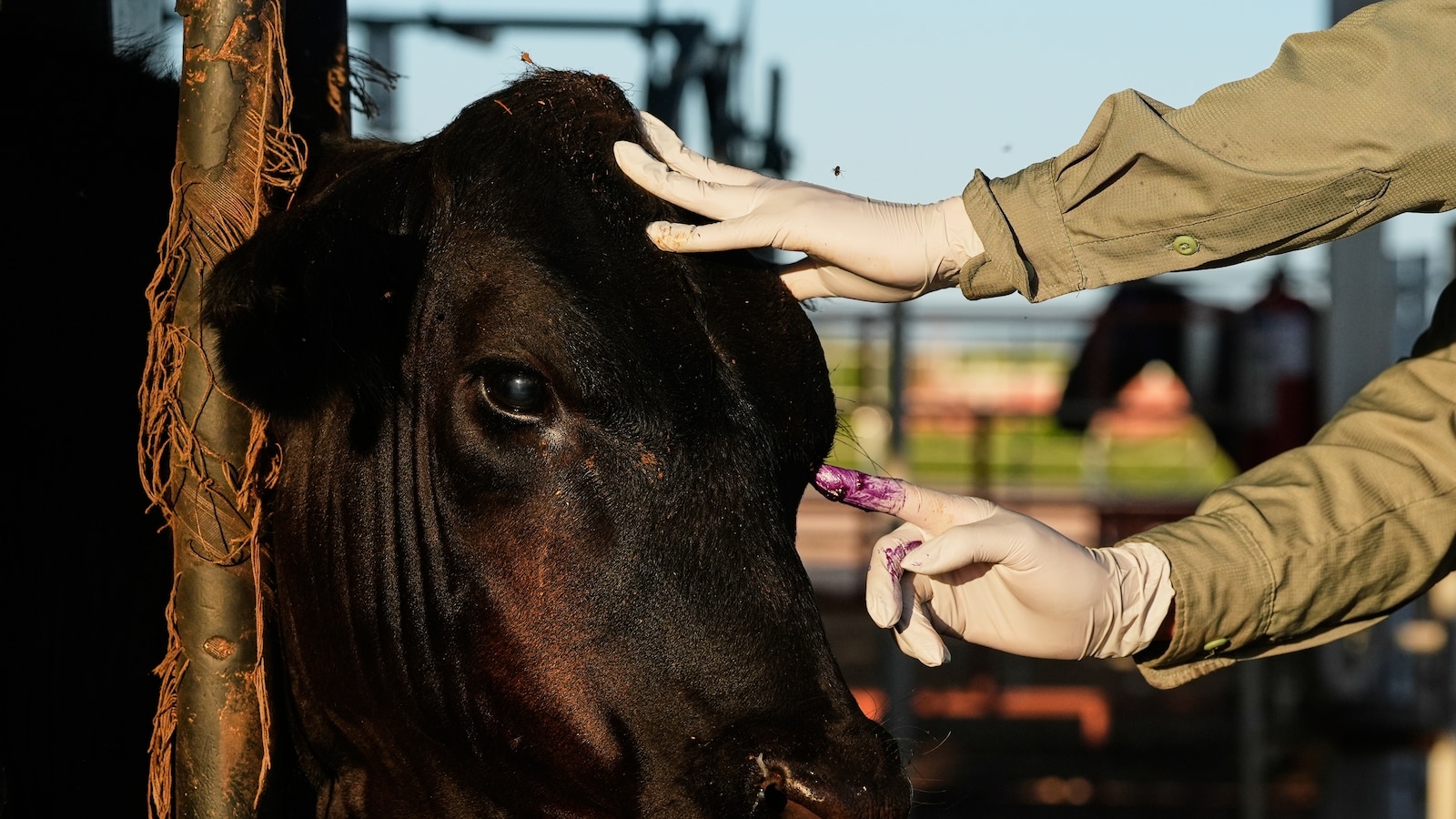
Cattle ranchers in northern Mexico are finally resuming exports to the United States after a year-long hiatus caused by an outbreak of New World screwworm. The parasite, which lays eggs in open wounds of warm-blooded animals, posed a significant threat to livestock health and led to stringent border closures by the U.S. Department of Agriculture (USDA) to prevent the spread into domestic herds.
For the agricultural sector, this resumption marks the stabilization of a major supply chain. During the suspension, North American beef prices saw fluctuations as the trade volume dropped. With exports restarting under rigorous inspection protocols, including mandatory dipping and health screenings, the market is expected to recalibrate as Mexican cattle return to feedlots in states like Texas and Arizona.
While this story is centered on North America, it serves as a critical case study for European livestock producers regarding sanitary and phytosanitary (SPS) regulations. The rapid imposition of such bans illustrates the vulnerability of global trade to transboundary animal diseases (TADs). European farmers, particularly those navigating the EU’s strict health standards and export regulations, understand that one undetected outbreak can effectively shut down international trade corridors for months.
Furthermore, this situation highlights the rising operational costs associated with biosecurity. Ranchers in Mexico are now investing heavily in specialized monitoring, containment, and chemical treatments to meet the USDA’s updated export requirements. For European farmers, this emphasizes the importance of prophylactic health programs and the early detection technologies that protect herd certification status in competitive global markets.
What this means for the market: The return of Mexican cattle to the US supply chain will likely ease some upward pressure on North American beef prices, which may ripple through global commodity markets. European exporters should keep an eye on how these shifting trade flows impact transatlantic demand and potential price competition for their own livestock products.
— agronom.work editorial team