
Micropep Moves Toward EU and US Market for Peptide-Based Biofungicides
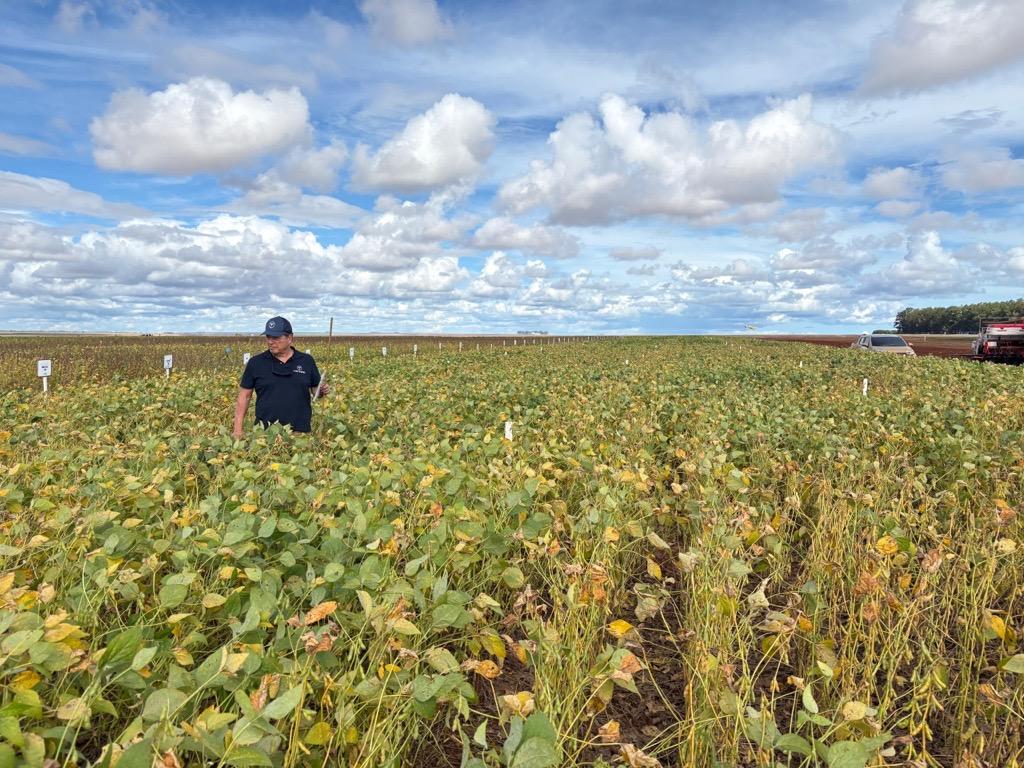
French biotechnology company Micropep has officially initiated regulatory filing processes in both the European Union and the United States for its flagship peptide-based biofungicide, Promisin. This move signals a significant step forward in the shift toward biological alternatives to conventional synthetic fungicides, which are increasingly restricted under stringent EU environmental regulations.
Peptide-based technology differs from traditional biologicals, such as those based on live bacteria or fungi, by mimicking the specific natural signals that regulate plant defense mechanisms. Unlike broad-spectrum chemicals, Promisin is designed to act on specific pathogens, potentially reducing the impact on beneficial insects and soil microbial health, which remains a core concern for modern integrated pest management strategies.
For European growers, who have seen several conventional active substances banned or limited under the EU Farm to Fork Strategy, this development offers a glimmer of hope. Peptide solutions are generally seen as more stable in field conditions than earlier generations of biologicals, making them a more reliable tool for agronomists struggling to maintain high yields without traditional chemical support.
The commercialization pathway also highlights the growing investment in "green" agricultural chemistry. As regulatory hurdles for synthetic molecules become higher and more costly, companies are pivoting toward these targeted biological platforms that require less complex safety profiles, although the EU registration process for novel substances remains notoriously slow and rigorous.
Context for farmers: As these products move through the regulatory pipeline, growers should prepare for a transition toward more targeted, residue-free application protocols. While large-scale adoption is still tied to pending approvals, peptide fungicides are likely to play a pivotal role in maintaining productivity as conventional chemical options continue to shrink in the coming years.
— agronom.work editorial team