
US Immigration Crackdowns: A Cautionary Tale for European Farm Labor
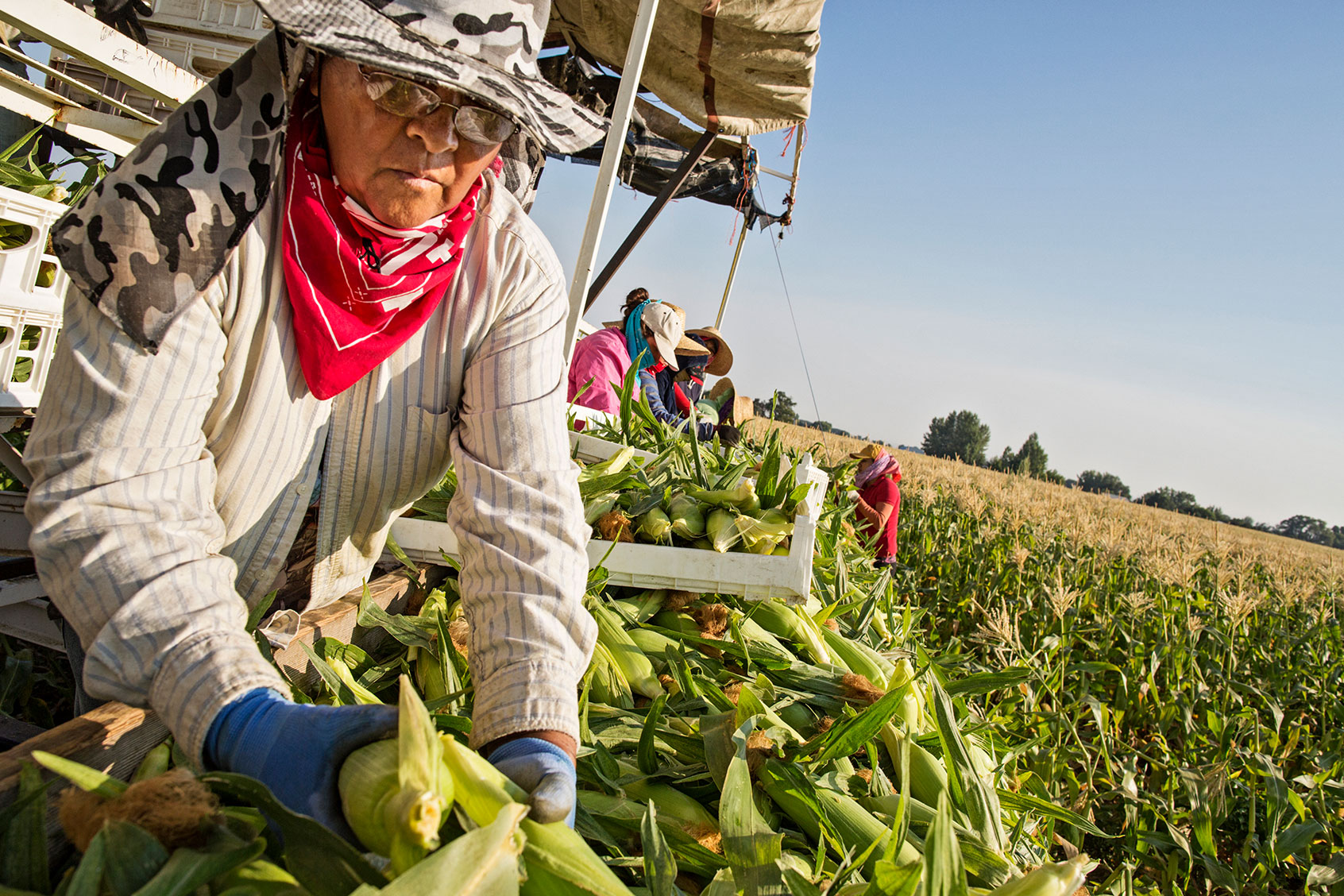
In the United States, recent aggressive immigration enforcement has triggered a significant labor crisis in the agricultural heartlands. With a high percentage of farm workers being foreign-born, the sudden removal of this workforce is leaving crops unharvested and farm owners struggling to maintain operations. The situation highlights the delicate dependence of modern industrial agriculture on a stable, mobile labor force.
For European farmers, this scenario mirrors growing political pressure regarding migration and labor policies. Countries like Poland, Germany, and the Netherlands rely heavily on seasonal workers from both within and outside the EU to manage peak harvest seasons in sectors ranging from soft fruits to greenhouse vegetables. Any abrupt change in policy regarding work permits or border enforcement could replicate the US volatility.
The economic impact of such labor gaps goes beyond unpicked fruit. When supply drops sharply due to labor shortages, price spikes at the farm gate often fail to compensate for the total loss of yield. Moreover, mechanized alternatives are often capital-intensive and not yet mature enough to replace human labor in delicate tasks, meaning small to medium-sized enterprises (SMEs) face the highest risk of insolvency.
Historically, the European agricultural sector has faced similar tensions during periods of restrictive visa policies. However, the current trend toward nationalistic border control threatens to complicate the free movement of seasonal labor that sustains the EU's food security. Agronomists note that labor-dependent operations are increasingly viewing recruitment stability as a strategic risk on par with climate variability.
Context for farmers: The US situation serves as a warning that restrictive labor policies can jeopardize agricultural productivity far faster than farms can adapt their technology. Producers should prioritize diversifying their labor supply and exploring long-term automation investments now, rather than waiting for potential legislative shifts to tighten seasonal worker availability in Europe.
— agronom.work editorial team