
Agricultural Soil Microplastics: New Study Links Field Contamination to Food Crops
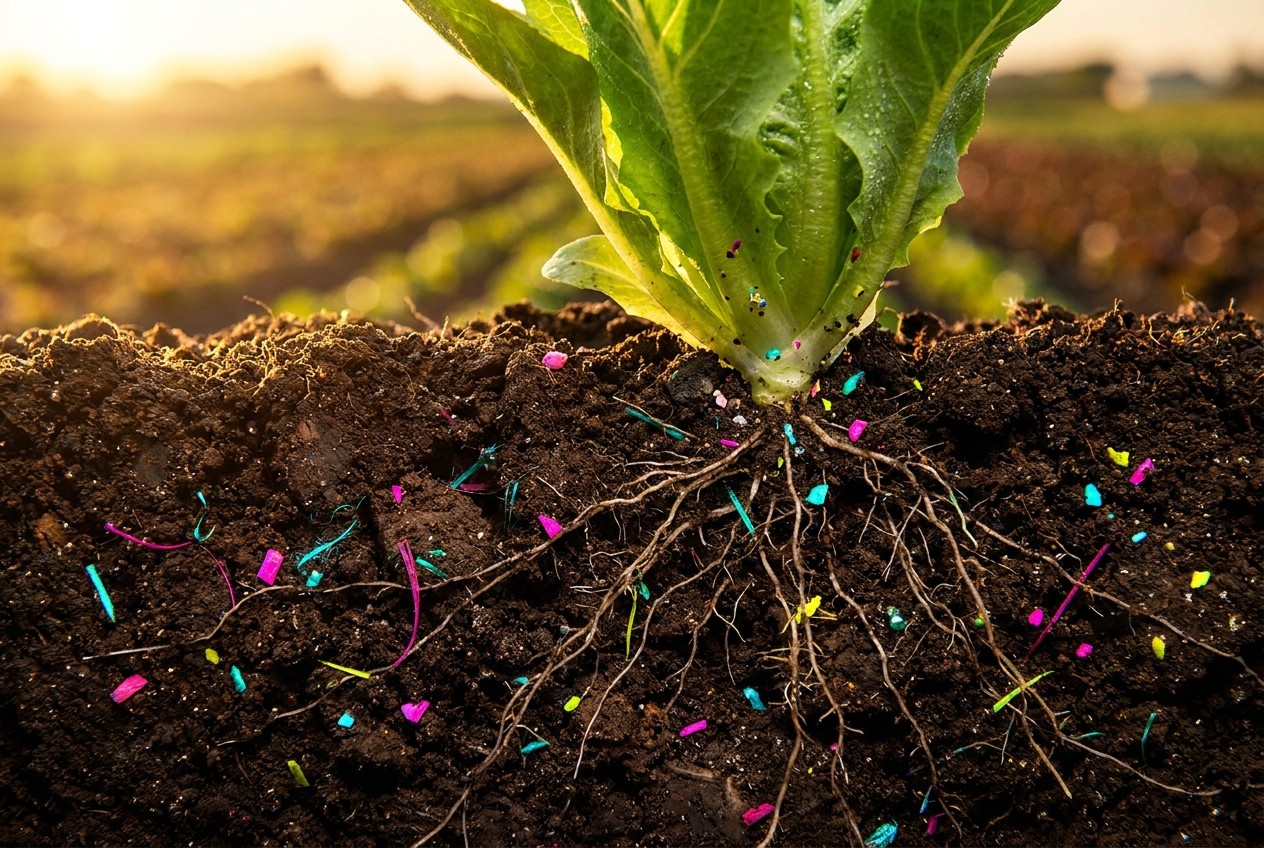
A newly published scientific investigation has highlighted a growing environmental and agronomic concern: plastic residues in agricultural soils are not just sitting inertly in the topsoil, but are actively being taken up by food crops. While much of the public and regulatory focus on microplastics has historically centered on marine ecosystems and water contamination, this research underscores farmland soil as a critical vector for introducing synthetic particles into the human food chain.
For agronomists and farm managers across Europe, this development points to the long-term consequences of intensive agricultural practices. Common inputs such as low-quality plastic mulching films, silage wraps, synthetic netting, and even treated municipal biosolids used as fertilizers gradually break down under mechanical tillage and ultraviolet exposure. Over years of continuous cropping, these fragments degrade into micro- and nano-sized particles that accumulate in the root zone, altering soil structure, microbial communities, and moisture retention.
The revelation that these synthetic particles can migrate from the soil into edible plant tissues introduces a complex challenge for European food safety authorities and farm gate compliance. As regulatory frameworks like the EU's Soil Strategy for 2030 and stricter limits on microplastics take shape, agricultural producers may soon face heightened scrutiny regarding soil health metrics and the types of materials permitted for field operations. Traceability and residue testing could eventually extend beyond traditional agrochemical limits to encompass synthetic polymer contamination.
Crop physiology and uptake mechanisms vary significantly depending on soil texture, organic matter content, and plant species, meaning that sandy soils versus heavy clay loams may present different risk profiles for microplastic accumulation. Furthermore, the physical presence of plastics in the rhizosphere can interfere with root elongation and nutrient uptake, potentially impacting overall crop yields and input use efficiency. Farmers who rely heavily on plastic mulching for high-value horticulture or early-season vegetable production will need to closely monitor evolving biodegradable alternatives.
Context for farmers: While immediate bans or emergency harvest restrictions are unlikely, European producers should anticipate tighter guidelines on plastic use and mandatory cleanup protocols for field residues. Adopting certified biodegradable mulches and minimizing single-use plastics on the farm will become increasingly important for maintaining long-term soil integrity and meeting future market demands for clean, residue-free produce.
— agronom.work editorial team