
Global Food Prices Ease in June: How This Affects European Farming
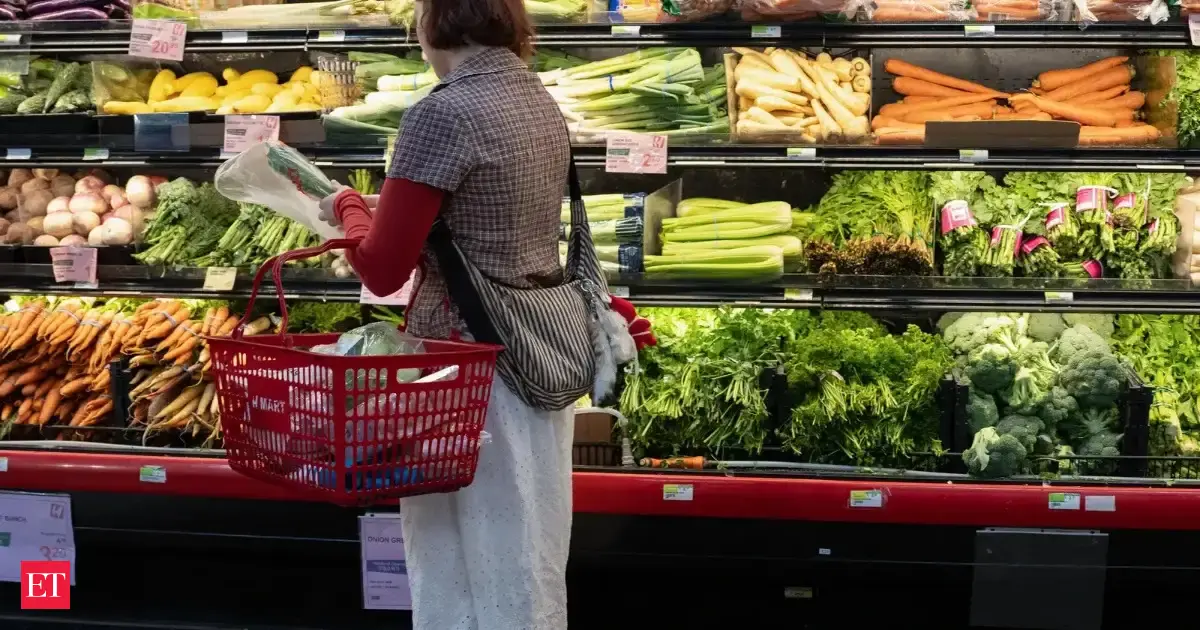
Global food commodity prices have recorded a second consecutive monthly decline in June, according to the latest data from the UN's Food and Agriculture Organization (FAO). The downward trend was primarily fueled by easing values in the cereals and dairy sectors, which offset marginal increases observed in the vegetable oil and meat markets.
For European producers, particularly in the cereals sector, this shift reflects a global market adjusting to improved crop prospects and seasonal supply fluctuations. While the decline may seem modest on a global scale, it serves as a bellwether for what farmers can expect in terms of farm-gate prices for the coming harvest season.
The reduction in cereal prices is often linked to the easing of global supply chain tensions and favorable weather patterns in major producing regions, including parts of the EU. However, the contrast with meat and vegetable oil prices highlights the fragmentation of the market; while feed costs might decrease, the input costs for other sectors remain volatile due to input inflation and geopolitical instability.
This price cooling presents a dual challenge for agronomists and farm managers. As commodity prices stabilize or decrease, the focus must shift heavily toward cost control and operational efficiency to maintain net margins, especially as fertilizer and energy costs remain high compared to historical norms.
Context for farmers: While global indices suggest a cooling of inflation, European farmers should anticipate tighter margins for the upcoming season. Focus on optimizing crop yields and leveraging hedging strategies for inputs, as commodity price volatility remains a significant risk factor despite the current downward trend.
— agronom.work editorial team