
MIT Engineers Develop Microneedle Tech to Transform Fish Vaccination in Aquaculture
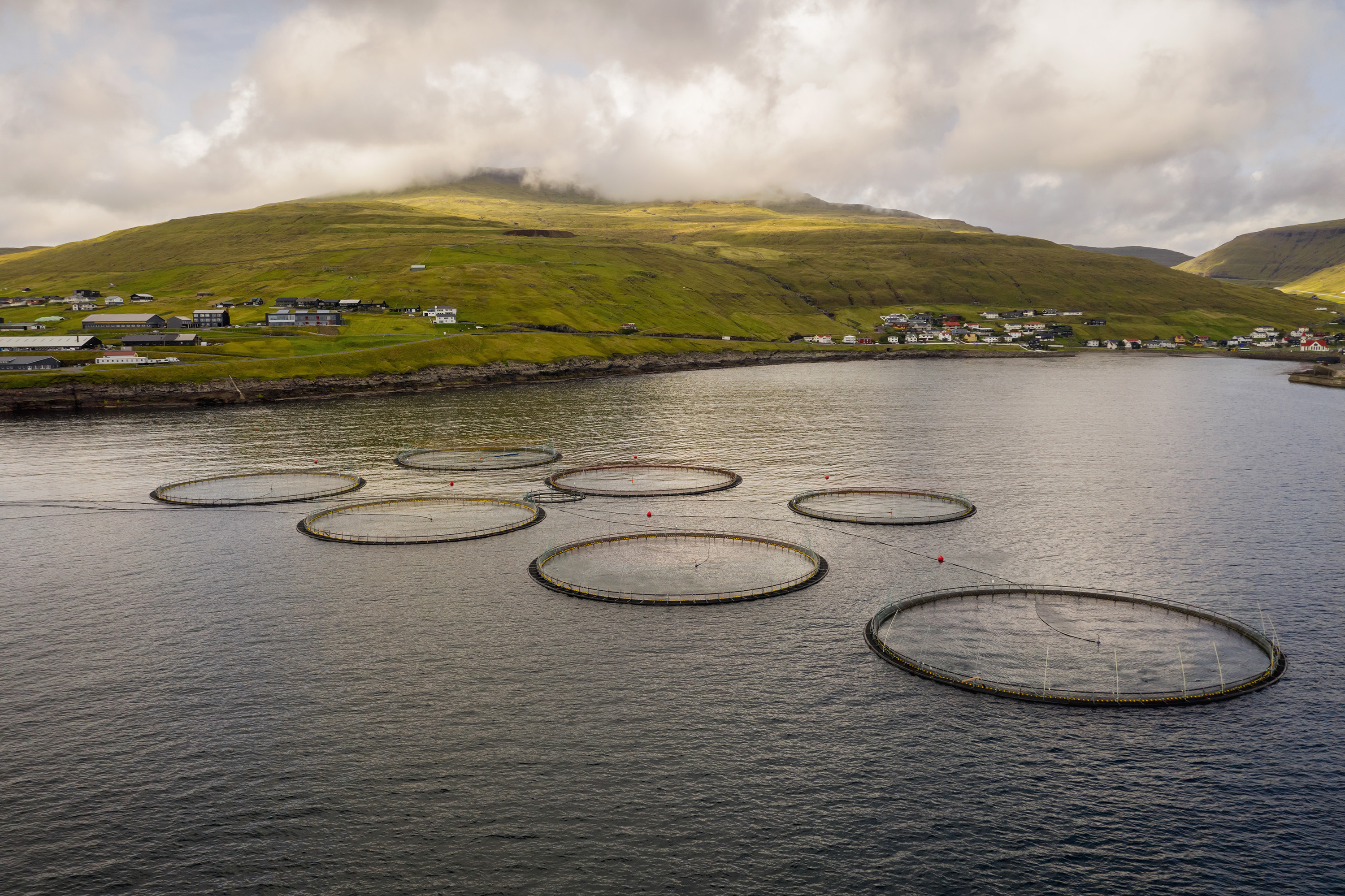
Aquaculture operations across Europe and globally face a persistent threat from disease outbreaks, which can decimate fish populations in pools and ponds before producers can react. Traditional vaccination methods for farmed fish typically involve manual injections or immersion baths. Manual handling is labor-intensive, highly stressful for the fish, and carries a significant risk of injury to both the livestock and farm workers, while mass baths often lack precise dosage control and can lead to uneven protection.
To address these critical operational bottlenecks, engineers at the Massachusetts Institute of Technology have designed a novel delivery system utilizing water-resistant, food-grade microneedles. These advanced needles are engineered to withstand aqueous environments long enough to successfully administer vaccines directly to fish without dissolving prematurely. This breakthrough bridges the gap between efficacy and practicality in aquatic veterinary medicine, offering a promising tool for modern fish farms aiming to scale production sustainably.
For European aquaculture producers—particularly in countries with intensive freshwater and marine farming such as Poland, Germany, and the Netherlands—disease management is a major driver of operational expenditure. Outbreaks of bacterial and viral pathogens not only cause direct stock losses but also trigger strict regulatory containment measures and impact market supply chains. Improving vaccination efficiency directly translates to lower mortality rates, reduced use of preventative antibiotics, and more predictable yields for commercial enterprises.
The integration of scalable vaccination technologies into everyday farm workflows also addresses the ongoing labor shortages affecting the agricultural and aquaculture sectors. By minimizing the time and specialized handling required to inoculate thousands of fish, farm workers can focus on feed management, water quality monitoring, and facility maintenance. Furthermore, precise dosing minimizes vaccine waste, optimizing the economic efficiency of inputs for mid-sized and large-scale aquaculture facilities alike.
What this means for the market: As this microneedle technology moves closer to commercialization, aquaculture producers should monitor upcoming veterinary innovations that reduce labor bottlenecks and improve stock survival rates. Adopting such precision health tools will likely become a key competitive advantage for European fish farms navigating stringent environmental and animal welfare standards.
— agronom.work editorial team