
mRNA Vaccine Protects Dairy Cows from H5N1 Infection in Breakthrough Trial
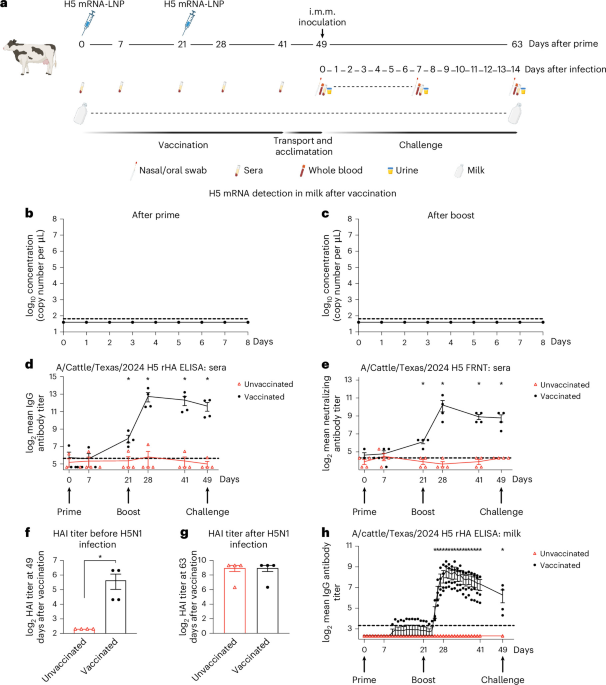
Recent research published in scientific literature highlights a significant development for the livestock sector: an mRNA-lipid nanoparticle vaccine designed to combat the H5N1 influenza virus has successfully protected lactating dairy cows from infection. As the dairy industry across North America and Europe remains vigilant against the spread of avian influenza strains to ruminants, this breakthrough offers a potential biosecurity tool to safeguard milk production and herd health.
The trial, conducted under strict regulatory oversight with institutional and agricultural research agencies, focused on the unique vulnerability of dairy cattle. H5N1 outbreaks in dairy herds not only pose severe animal welfare challenges—often resulting in dramatic drops in milk yield, lethargy, and feed intake—but also raise concerns regarding farmworker safety and potential milk supply chain disruptions. Implementing an effective immunization strategy could fundamentally change how commercial dairy farms manage infectious disease risks.
For European and international dairy producers, biosecurity has become a top operational priority. Current protocols heavily rely on quarantine measures, rigorous personal protective equipment for milking staff, and monitoring interstate or cross-border cattle movements. While these management practices slow down transmission, they do not provide biological immunity. The introduction of a targeted mRNA vaccine could eventually offer a proactive defense mechanism, reducing reliance on reactive containment alone.
However, translating trial success into a widely available commercial veterinary product requires navigating regulatory frameworks, manufacturing scale-ups, and field trials under diverse farm conditions. Veterinary authorities must evaluate not only the efficacy of the vaccine in preventing clinical disease and viral shedding in raw milk, but also its cost-effectiveness for commercial herd operations where profit margins remain tight.
What this means for the market: While commercial rollout is still pending regulatory approval, the development of an effective H5N1 vaccine signals a major step toward long-term stability for the dairy sector, potentially mitigating future milk supply shocks and easing biosecurity pressures on farm owners.
— agronom.work editorial team