
Middle East Conflict Threatens European Fertilizer Supply
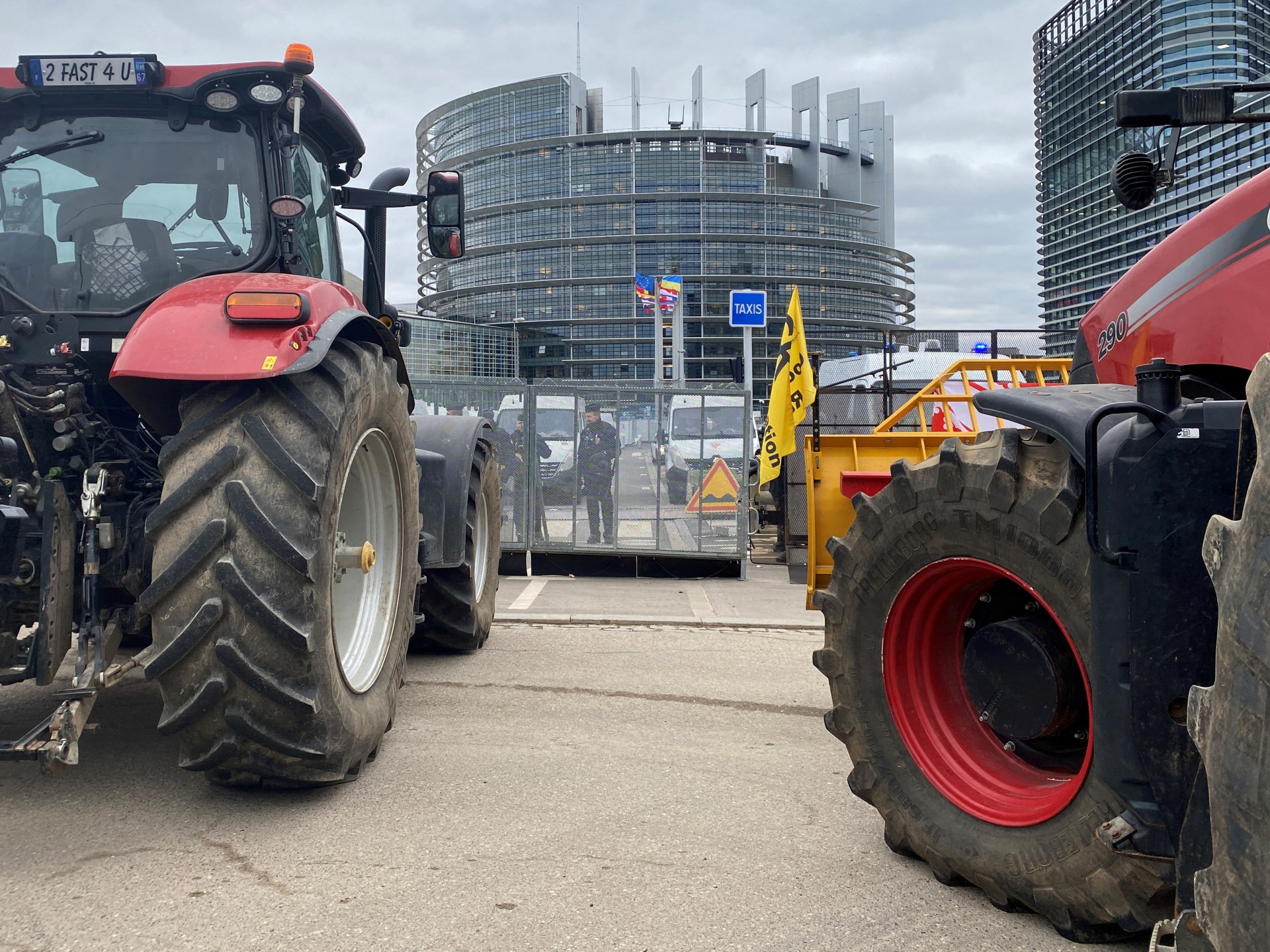
The escalating conflict involving Iran and ensuing disruptions in the Strait of Hormuz are sending shockwaves through the European agricultural sector. EU agriculture ministers have convened in Brussels to address a looming crisis: the availability and affordability of fertilizers for the upcoming planting seasons.
For European farmers, the Middle East is a critical artery for both energy and agricultural inputs. The Strait of Hormuz is a major choke point for global oil and liquefied natural gas (LNG). Since natural gas is the primary feedstock for producing nitrogen fertilizers, any disruption here directly translates to higher production costs for European fertilizer plants, which are still recovering from previous energy crises.
Beyond energy, the region is a significant exporter of finished fertilizers, including urea and phosphates. Delays and rerouted shipping are causing a bottleneck in the global supply chain. This means European distributors are facing both localized shortages and steep hikes in freight insurance, putting immense pressure on farm budgets.
In response to these food security fears, the European Commission is pushing a comprehensive fertilizer plan. While exact details are being hammered out, the initiative is expected to focus on securing alternative supply lines, supporting domestic production capacities, and potentially offering financial buffers to farmers hit hardest by input price volatility.
Context for farmers: The immediate impact will likely be felt in volatile nitrogen fertilizer prices. Agronomists and farm managers should consider securing necessary inputs early or exploring alternative nutrient management strategies to mitigate upcoming cost spikes.
— agronom.work editorial team