
New Invasive Flower Thrips Threaten Global Berry and Vegetable Production
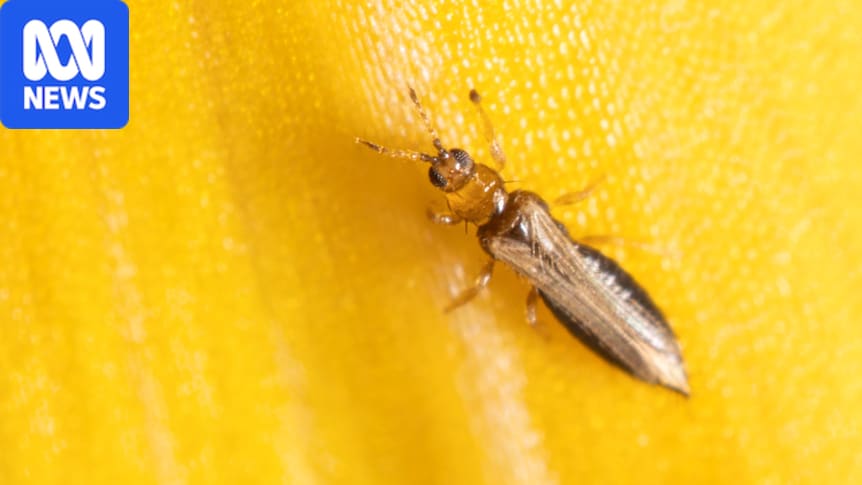
Agile biosecurity threats continue to challenge agricultural sectors worldwide as new invasive pests emerge in key production regions. The recent detection of a destructive flower thrips species in south-east Queensland, marking its first recorded appearance in Australia, has triggered immediate concern among berry growers. These tiny insects are capable of causing millions of dollars in crop damage by feeding on flowers and developing fruit, leading to severe deformations and rendering harvests unmarketable.
For agronomists and farm managers across Europe and neighboring regions, such distant outbreaks serve as a stark reminder of the fragility of modern horticultural supply chains. Flower thrips are notoriously difficult to control due to their rapid reproductive cycle, microscopic size, and high capacity to develop resistance to standard chemical insecticides. When established populations breach regional borders, they rarely remain confined to a single crop family, often spreading swiftly into greenhouse vegetables, ornamental flowers, and open-field fruit plantations.
The economic impact of a thrips infestation extends far beyond direct yield loss. Growers face escalating input costs as they scramble to implement integrated pest management protocols, deploy biological control agents, and apply targeted treatments while complying with strict European Union maximum residue limits. Furthermore, reduced marketable yields inevitably tighten regional supply, pushing consumer food prices higher and squeezing farm gate margins during seasons already plagued by high fertilizer and energy expenses.
Strict phytosanitary inspections at national borders and rigorous on-farm biosecurity measures remain the primary defense lines against the introduction of such foreign pests. European producers frequently deal with similar invasive pressures, such as Western flower thrips or tomato russet mites, which thrive under changing climatic conditions and extended warm autumns. Implementing robust monitoring traps, maintaining weed-free buffer zones, and scouting crops weekly are essential practices for early detection before populations reach economic threshold levels.
As global trade networks continue to move plant material and fresh produce at unprecedented speeds, the risk of accidental pest introductions will persist. Agricultural advisory bodies and national plant protection organizations emphasize the need for continuous grower education and rapid-response capabilities. Protecting regional harvests from emerging biological threats requires constant vigilance, transparent data-sharing among agronomists, and proactive investment in resilient, diversified crop protection strategies.