
New Wheat Gene Discovery Paves the Way for Greenbug Resistance in Europe
Cereal growers across Europe continually face yield losses from devastating sap-sucking pests, particularly cereal aphids and greenbugs (*Schizaphis graminum*). These insects not only sap plant vigor and transmit viral diseases like Barley Yellow Dwarf Virus (BYDV), but they can also decimate stands under warm, dry spring conditions. Traditional chemical control methods face increasing regulatory pressure and resistance issues, placing heavy demands on plant breeders to deliver robust genetic resistance directly into commercial wheat varieties.
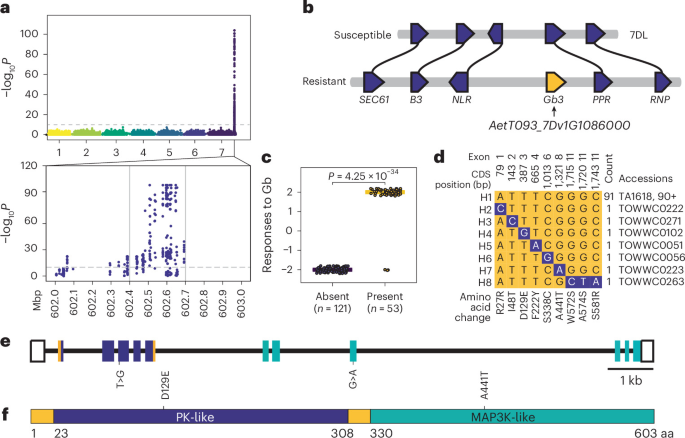
A major breakthrough has emerged in molecular plant pathology with the identification and characterization of the Gb3 gene. Research shows that Gb3 encodes an intracellular kinase-pseudokinase protein featuring a distinctive mitogen-activated protein kinase kinase kinase (MAP3K)-like domain. This unique structural architecture functions as an internal surveillance system, recognizing multiple greenbug biotypes and triggering a localized hypersensitive defense response before the insect can establish a feeding site.
For wheat breeders and agronomists, this discovery opens up targeted pathways for introgression into elite European germplasm. Unlike older resistance genes that target only a single pest strain, a resistance mechanism driven by a complex kinase fusion protein offers broader durability against evolving biotypes. This is critical as climate variability shifts insect migration patterns and population dynamics across major agricultural regions in Central and Eastern Europe.
Integrating Gb3 into commercial pipelines will require conventional marker-assisted selection (MAS) or advanced transgenic approaches, depending on regional regulatory frameworks. European seed companies are expected to leverage this genetic marker to accelerate breeding cycles, reducing the time needed to bring resilient winter and spring wheat cultivars to farm gates. Farmers operating under low-input or organic systems stand to benefit immensely from varieties that maintain yield potential without requiring extra insecticide applications.
As field trials progress and seed producers begin stacking resistance traits, agronomists should monitor regional seed catalogs for upcoming releases carrying advanced aphid and greenbug resistance. Cultivar selection remains the foundational cornerstone of integrated pest management, directly protecting gross margins by cutting input costs and shielding crops from unpredictable pest surges.