
New World Screwworm Detection in U.S. Raises Livestock Biosecurity Alarms
The United States Department of Agriculture has confirmed the first detection of the New World screwworm in American wildlife, identifying the parasite in an elk on a game ranch in Pecos County, Texas. While the case was isolated to a captive cervid facility rather than commercial livestock herds, the finding has immediately triggered heightened biosecurity alerts across the American agricultural sector. Livestock producers, veterinarians, and wildlife managers are closely monitoring the situation to prevent any potential spread into cattle and small ruminant populations.
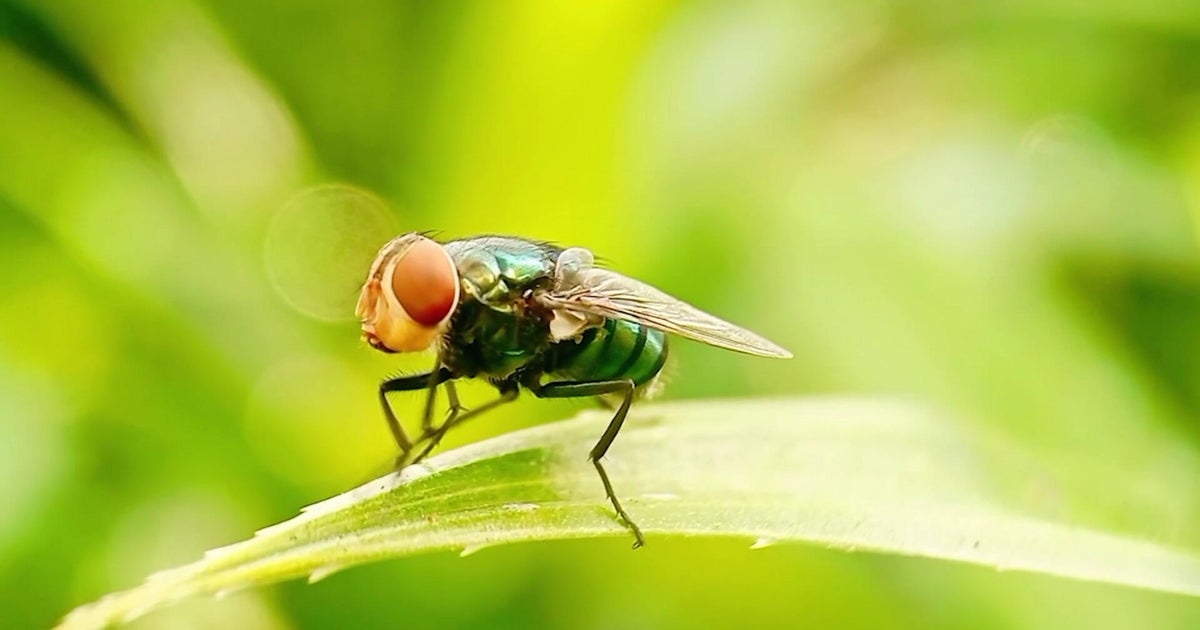
The New World screwworm, scientifically known as Cochliomyia hominivorax, is a devastating parasitic fly whose larvae feed on the living tissue of warm-blooded animals. Unlike common blowflies that target decaying matter, screwworm larvae burrow into open wounds, navels of newborns, or mucous membranes, causing severe tissue damage, secondary infections, and rapid mortality if left untreated. Historically, this pest wreaked havoc on cattle ranching throughout the Americas until a massive, decades-long eradication program using sterile insect technique pushed the fly down through Central America.
For European livestock farmers and veterinarians, news of a screwworm re-emergence in North America serves as a stark reminder of the constant vulnerability of global supply chains and animal health biosecurity. Although the pest is currently absent from Europe, intensive international trade in livestock, animal products, and exotic game species means that regulatory bodies like the European Food Safety Authority maintain strict import controls and surveillance protocols. Any breakdown in vector control or quarantine measures on other continents inevitably elevates the risk profile for transboundary animal diseases.
Livestock operations heavily rely on rigorous preventative protocols, including prompt treatment of castration, dehorning, and tagging wounds, especially during warmer months when parasitic fly activity peaks. Farm managers and herdsmen are trained to inspect herds daily for signs of localized skin irritations or flystrike. If a parasitic infestation of this magnitude were to breach European borders, the economic consequences for the beef, dairy, and small ruminant sectors would be catastrophic, forcing immediate quarantines, export bans, and massive veterinary expenditures.
As USDA and state agricultural agencies continue containment, surveillance, and epidemiological tracing in Texas, the agricultural community at large is reminded that animal disease eradication is a continuous battle rather than a permanent victory. Maintaining high standards of farm biosecurity, traceability, and rapid reporting of unusual clinical signs remain the primary defenses for farmers and agritech specialists worldwide against the re-emergence of historical agricultural plagues.