
Rainfall Deficit and Canal Closures Threaten Kashmiri Rice Yields
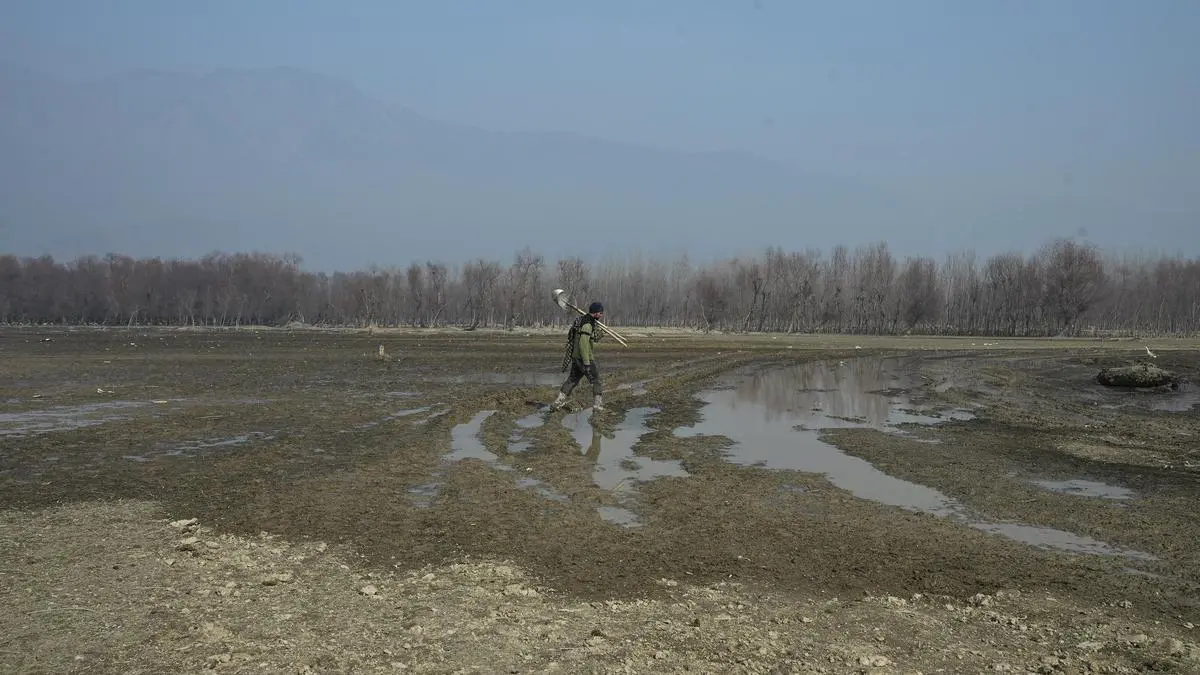
Rice farmers across the Kashmir valley are facing significant uncertainty this season as a 26% rainfall deficit cripples water availability for irrigation. As traditional water sources dry up and canal levels continue to recede, the fundamental requirements for maintaining paddy fields—a water-intensive crop—are failing to be met, leading to widespread concern among local producers.
For many farmers, the current situation marks a stark contrast to previous seasons, where the primary threat to production was often excess water leading to flood damage. Now, the challenge has shifted to a lack of adequate moisture required for the critical transplantation phase and subsequent growth cycles of the paddy crop. The reduced precipitation has led to a drop in the water table, severely limiting the effectiveness of traditional irrigation channels.
The agricultural impact is compounded by the high dependence of local rural economies on rice cultivation. Without sufficient water, the anticipated yields are expected to plummet, which could force many smaller producers to abandon their fields or seek alternative, less profitable crops. This shift not only threatens the immediate livelihoods of agricultural families but also risks regional food security by disrupting local supply chains.
Agricultural experts note that irrigation management has become a critical point of failure. Without a shift toward more resilient water management practices, such as improved storage infrastructure or the adoption of drought-resistant cultivation techniques, farmers remain highly vulnerable to volatile climate patterns. The current crisis highlights the urgent need for long-term investments in agricultural water security in the Himalayan region.
What this means for the market: Producers relying on regional irrigation systems should monitor soil moisture levels closely and prepare for potential yield reductions that may tighten local supply and increase costs. Early planning for water-saving irrigation techniques or shifting to less water-intensive crops in future cycles may be necessary to mitigate these ongoing climatic risks.
— agronom.work editorial team