
High-Efficiency Fertilizers Emerge as Vital Shield for Farmers Amid NPK Supply Shocks
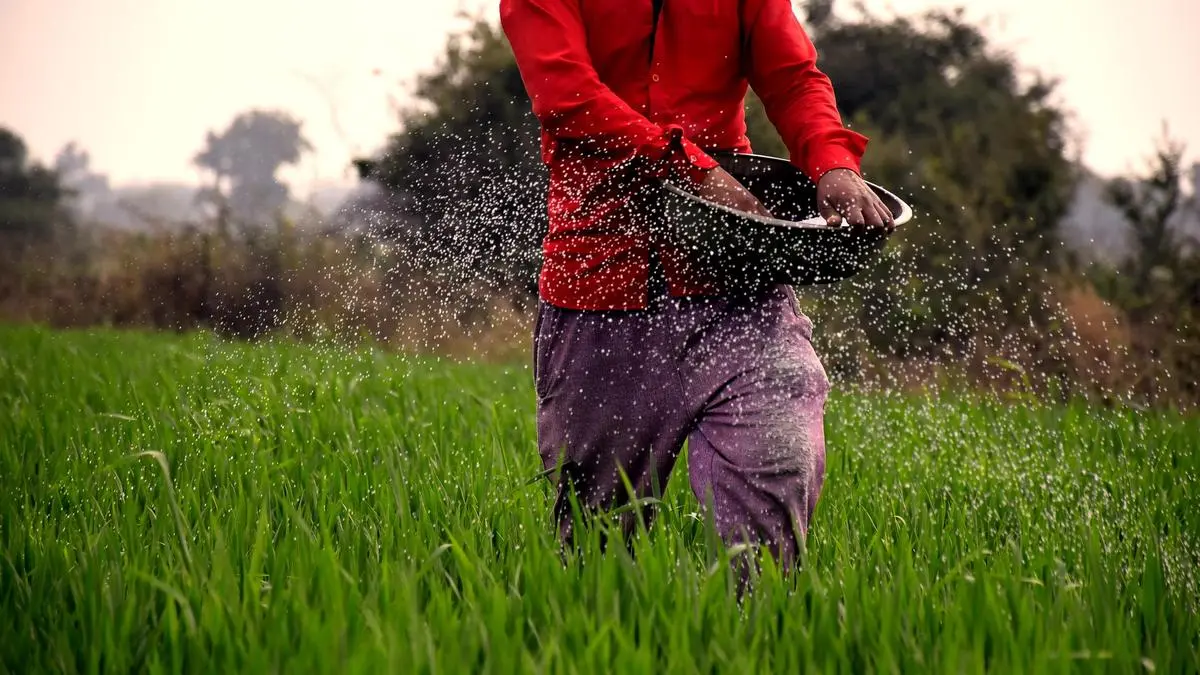
The ongoing disruptions in global supply chains, heavily exacerbated by geopolitical conflicts in Eastern Europe, have exposed the vulnerability of traditional fertilizer markets. For farmers across Europe, the reliable supply of standard NPK (nitrogen, phosphorus, and potassium) fertilizers is no longer a given, with price volatility and intermittent shortages becoming the new normal. In response, the agricultural sector is rapidly accelerating its adoption of high Nutrient Use Efficiency (NUE) fertilizers, viewing them not just as an ecological choice, but as a critical safeguard for farm viability and food security.
NUE fertilizers represent a broad category of advanced crop nutrition products designed to maximize the amount of nutrients actually absorbed and utilized by the plant. Unlike conventional granular fertilizers, which are susceptible to significant losses through leaching, volatilization, or soil tie-up, NUE solutions employ advanced technologies. These include polymer-coated controlled-release granules, stabilized nitrogen with urease and nitrification inhibitors, and enhanced foliar formulations. By ensuring nutrients are available precisely when the crop needs them, these products allow agronomists to recommend significantly lower overall application rates.
For operations in regions like Germany, Poland, and Ukraine, where input costs have squeezed margins tightly over the past few seasons, the transition to NUE technology is increasingly seen as a necessary adaptation. Traditional farming practices often apply surplus fertilizer as an insurance policy against weather-induced losses. However, at current market prices for conventional NPK, this buffer approach is no longer economically sustainable. High-efficiency alternatives enable precise nutrient budgeting, ensuring that every euro spent on fertility translates directly into yield potential rather than environmental runoff.
Furthermore, the integration of NUE fertilizers aligns with broader European regulatory trends, such as the EU Farm to Fork strategy, which mandates significant reductions in nutrient losses and fertilizer use. By adopting these advanced formulations now, farmers are not only mitigating immediate supply chain risks but also future-proofing their operations against tightening environmental compliance standards. Agronomic trials across various soil types in Central and Eastern Europe have consistently shown that integrating NUE products can maintain, or even boost, harvest volumes even when total nutrient volume is reduced by 15 to 20 percent.
Practical takeaway: Transitioning a portion of your farm's fertility program to NUE products can buffer against unpredictable NPK price spikes. Agronomists suggest starting with stabilized nitrogen on high-value cash crops to measure the cost-to-yield benefit before farm-wide adoption.
— agronom.work editorial team