
The Ongoing Impact of the Conflict on Ukraine’s Agricultural Productivity
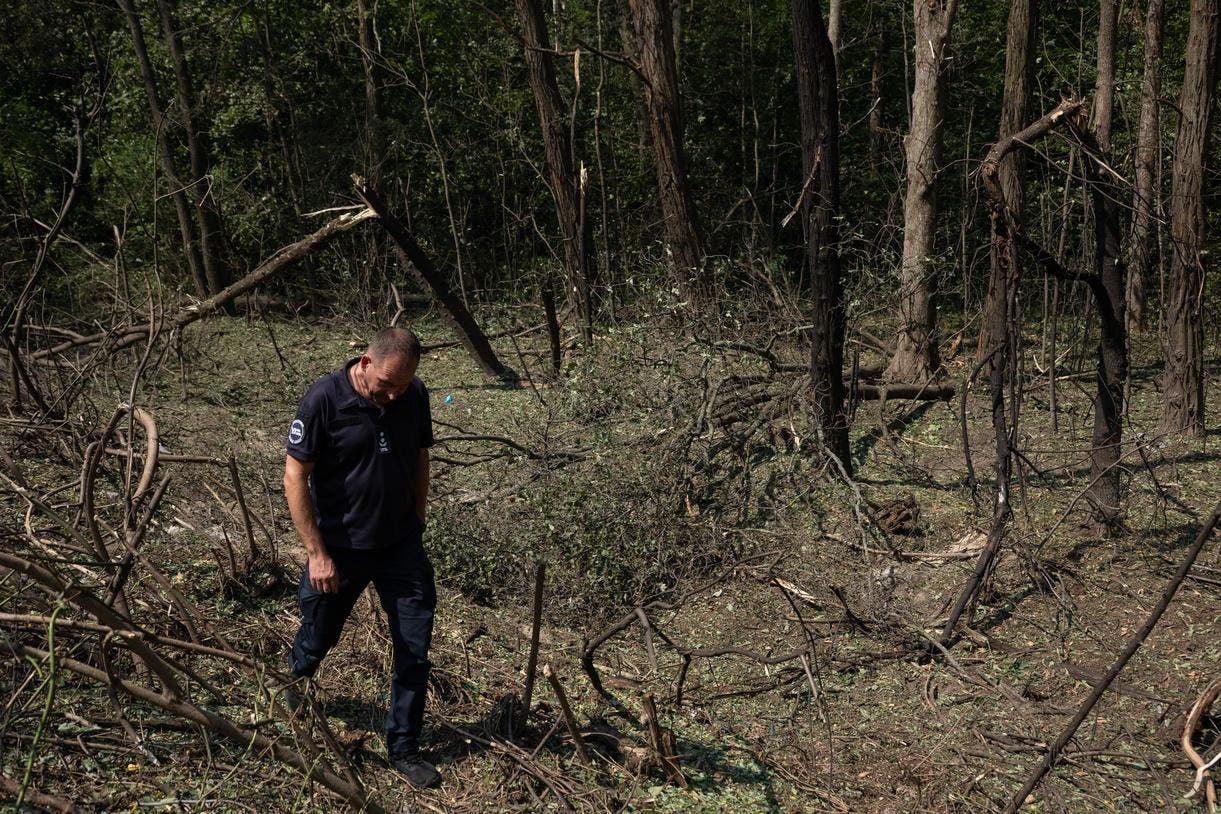
The ongoing war in Ukraine continues to exert a profound toll on the nation's agricultural sector, with recent missile strikes and persistent military activity causing widespread destruction of farmland. Beyond the immediate loss of crops and machinery, the environmental footprint is becoming a long-term challenge for agronomists and land managers. Soil contamination from munitions, heavy metal leaching, and the destruction of irrigation infrastructure are hindering productivity in some of Europe's most fertile regions.
Reports indicate that the total damage to the agricultural industry, combined with environmental degradation, has surged into tens of billions of dollars. For farmers, this manifests as increased operational risks, higher insurance premiums for land, and the daunting task of demining fields before any cultivation can safely resume. The loss of critical infrastructure, such as grain silos and logistics hubs, further exacerbates the difficulty of getting harvests to export markets.
From an agrotechnical perspective, the war has forced a shift in land use. Farmers in regions affected by shelling must contend with unexploded ordnance, which prevents the use of automated machinery and precision farming tools. This forced regression in technology adoption threatens to lower yields compared to pre-war averages, complicating supply chain stability for grain-importing nations across the European Union.
As Ukraine seeks international accountability and funding for recovery, the focus remains on restoring soil health and safety. The environmental damage caused by burning forests, chemical leaks, and cratering is projected to affect crop cycles for years to come. Agronomists working in the region are currently tasked with identifying contaminated soil zones and implementing remediation strategies that can restore fertility to damaged ecosystems.
Context for farmers: The persistence of environmental risks and infrastructure destruction means that uncertainty in Ukrainian grain supply will remain a factor in European market pricing for the foreseeable future. Growers should prepare for continued volatility in input costs and logistical shifts as the recovery phase struggles to keep pace with ongoing security threats.
— agronom.work editorial team