
Optimizing Grain Corn Harvest: Indicators of Physiological Maturity
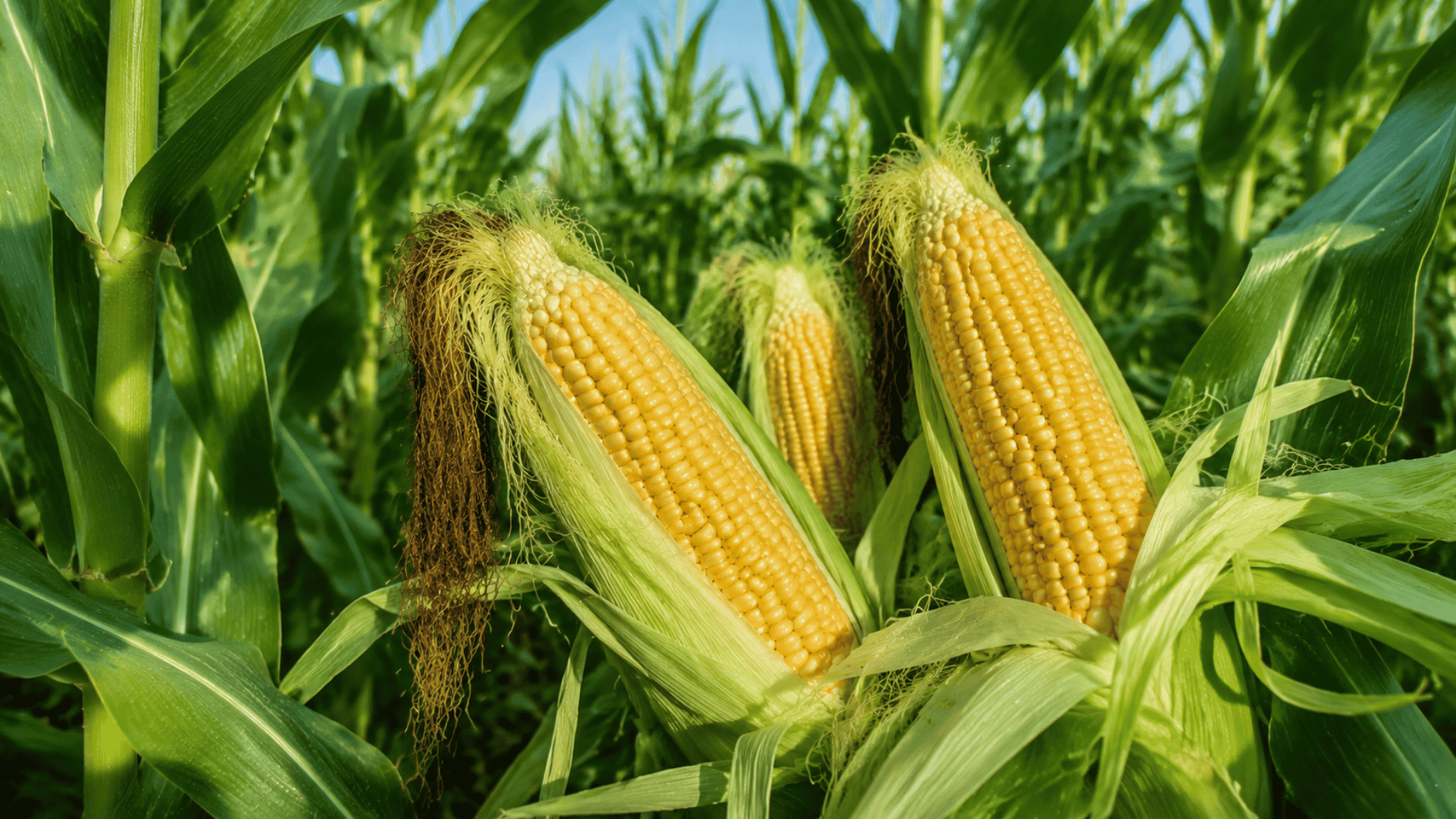
For professional corn growers across Europe, the timing of the harvest is a critical determinant of both grain quality and operational efficiency. While monitoring the calendar is helpful, true harvest timing must be dictated by the physiological development of the crop, specifically the formation of the 'black layer' at the base of the kernel.
As the plant reaches physiological maturity, the abscission layer—commonly referred to as the black layer—forms where the kernel attaches to the cob. This layer effectively seals the kernel, cutting off the flow of moisture and nutrients from the stalk. For agronomists, this is the definitive sign that maximum grain dry weight has been achieved.
Ignoring the black layer and harvesting too early leads to high moisture content, which exponentially increases post-harvest drying costs. Conversely, leaving the crop in the field for too long after maturity increases the risk of stalk lodging, ear drop, and field losses due to wildlife or late-season weather variability. Balancing these risks is essential for maintaining margins in modern row-crop production.
Beyond physical inspection, modern agritech tools provide data-driven insights. Monitoring Growing Degree Days (GDD) relative to hybrid-specific maturity ratings offers a secondary check on the crop's status. When the grain moisture drops into the optimal range—typically between 22% and 28% for efficient combining—growers must mobilize harvest teams promptly to minimize equipment downtime.
What this means for the market: Monitoring the black layer and grain moisture levels allows for a strategic approach to harvest scheduling, which directly reduces energy expenditures on artificial drying and maximizes storage life. Aligning your harvest window with the crop's physiological state ensures higher test weights and better marketability of your corn yield.
— agronom.work editorial team