
U.S. Screwworm Alert: Livestock Safety and Biosecurity Lessons for European Farmers
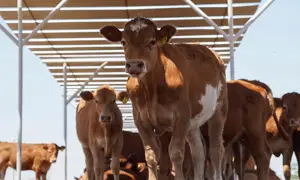
Recent agricultural reports from the United States highlight a seasonal uptick in New World screwworm cases among livestock, triggered by heavy rainfall in the Southwest. While federal authorities emphasize that containment measures and ongoing mitigation protocols are keeping the domestic meat supply secure, the situation serves as a stark reminder of the vulnerability of livestock sectors to parasitic threats.
For European livestock producers, particularly in southern regions prone to warmer climates and high humidity, vector-borne diseases and parasitic infestations represent a constant operational risk. While the New World screwworm is exotic to Europe, strict import controls, rigorous border veterinary checks, and robust animal identification systems remain the primary defense lines preventing such catastrophic parasites from entering the continent's herds.
Animal husbandry in Europe operates under stringent biosecurity frameworks, but climate shifts are increasingly altering the geographical distribution of vectors and pests. Milder winters and erratic precipitation patterns across parts of Central and Southern Europe can create unexpected microclimates favorable for various insect populations, forcing farm managers to adapt their routine herd health monitoring.
Veterinarians and livestock farm workers play a pivotal role in early detection, as prompt identification of skin lesions or larval infestations is crucial to preventing localized outbreaks from escalating into systemic crises. Regular inspection of cattle, sheep, and goats, combined with proper wound management after dehorning, tagging, or branding, forms the backbone of effective on-farm parasite defense.
What this means for the market: Although American mitigation efforts keep local supply chains stable without immediate global trade shocks, European producers should treat this as a cue to audit their internal biosecurity protocols and supply chain traceability. Maintaining high standards of herd hygiene and preparedness safeguards both animal welfare and long-term farm profitability against emerging sanitary threats.
— agronom.work editorial team