
From Arid Soil to High-Yield Success: A Blueprint for Water-Efficient Farming
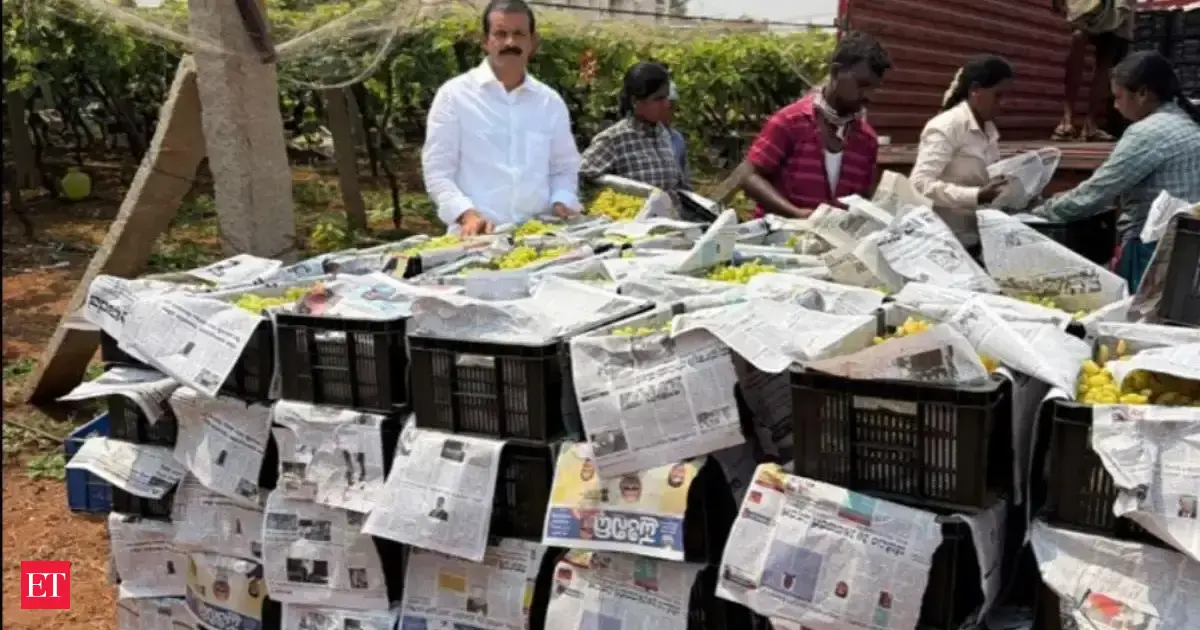
In one of India's most challenging agricultural landscapes, a farmer from Andhra Pradesh has successfully established a high-income, water-efficient farming model that is garnering international interest. Facing extreme drought conditions in the Anantapur district, Mekala Shiva Shankar Reddy shifted away from traditional, water-intensive subsistence farming to create a resilient, commercially viable horticultural operation spanning 180 acres.
The transformation relied on a fundamental shift in infrastructure, primarily the adoption of precision drip irrigation and automated fertigation systems. By delivering water and nutrients directly to the root zone, the farm significantly reduced water waste while simultaneously increasing crop yields. This approach allowed the transition into high-value crops like grapes, which thrive in controlled environments despite regional water scarcity.
Beyond technology, the operation demonstrates the power of crop diversification in mitigating climate risk. Rather than relying on a single commodity susceptible to market volatility and local weather patterns, the farm incorporates diverse horticultural varieties. This strategic mix ensures year-round production cycles and stable income streams, proving that even in arid climates, profitability is achievable through careful planning.
For European farmers facing increasingly erratic rainfall patterns and rising water costs, this case study highlights the viability of scaling down water usage while scaling up value-added output. The shift from low-value traditional crops to specialized horticulture requires significant initial capital and technical expertise, but the long-term sustainability benefits in moisture-stressed regions are clear.
What this means for the market: Investment in precision irrigation and soil moisture management is no longer an optional luxury but a core requirement for climate-resilient agriculture. Producers looking to future-proof their operations should evaluate their water usage efficiency against potential high-value crop alternatives, keeping in mind the necessary transition to advanced fertigation infrastructure.
— agronom.work editorial team