
Black Sea Shipping Standoff Continues as Truce Offer Fails
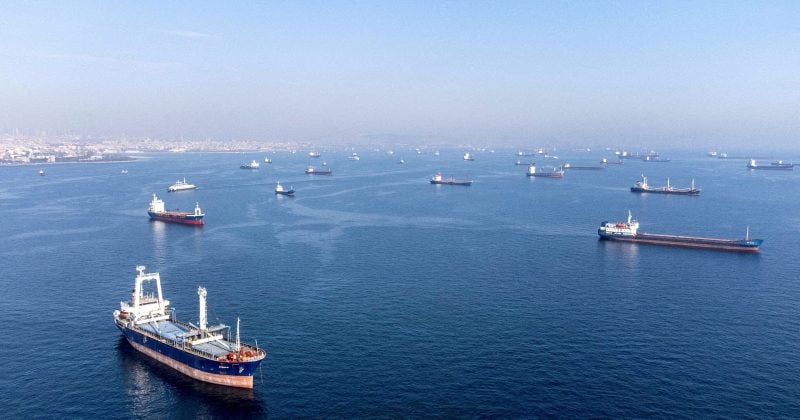
Recent diplomatic efforts to establish a shipping truce in the Black Sea have been rejected, leaving the critical agricultural corridor in a state of high-risk operational uncertainty. With grain exports already down significantly year-on-year, the refusal to stabilize these shipping lanes maintains the status quo of military friction that has plagued the region since the escalation of hostilities.
For European farmers and traders, this stalemate is not merely a geopolitical headline but a direct driver of market volatility. The Black Sea acts as a global price setter for wheat, corn, and sunflower oil. When shipping becomes unreliable, insurance premiums for vessels spike, and the cost of logistics rises, ultimately squeezing the margins of producers operating far beyond the conflict zone.
The current situation forces agrologistics chains to lean heavily on alternative routes, such as the EU's Solidarity Lanes. While these land-based corridors have been vital for moving Ukrainian produce into Poland, Romania, and beyond, they remain more expensive and less efficient than traditional maritime bulk shipping, adding layers of complexity to European supply chain management.
For agronomy professionals and farm managers, the persistent instability means that local fertilizer and grain prices will likely remain subject to sudden swings based on news out of Odesa or the Bosporus. Farmers are advised to maintain flexible marketing strategies and keep a close eye on regional logistics costs as export bottlenecks show no signs of immediate resolution.
What this means for the market: Continued instability in the Black Sea suggests that global grain price volatility will persist throughout the upcoming marketing year. Producers should hedge their positions and account for higher logistics costs when planning their seasonal crop sales, as maritime access remains unreliable.
— agronom.work editorial team