
New Rice Gene Discovery Offers Path to Climate-Resilient Yields
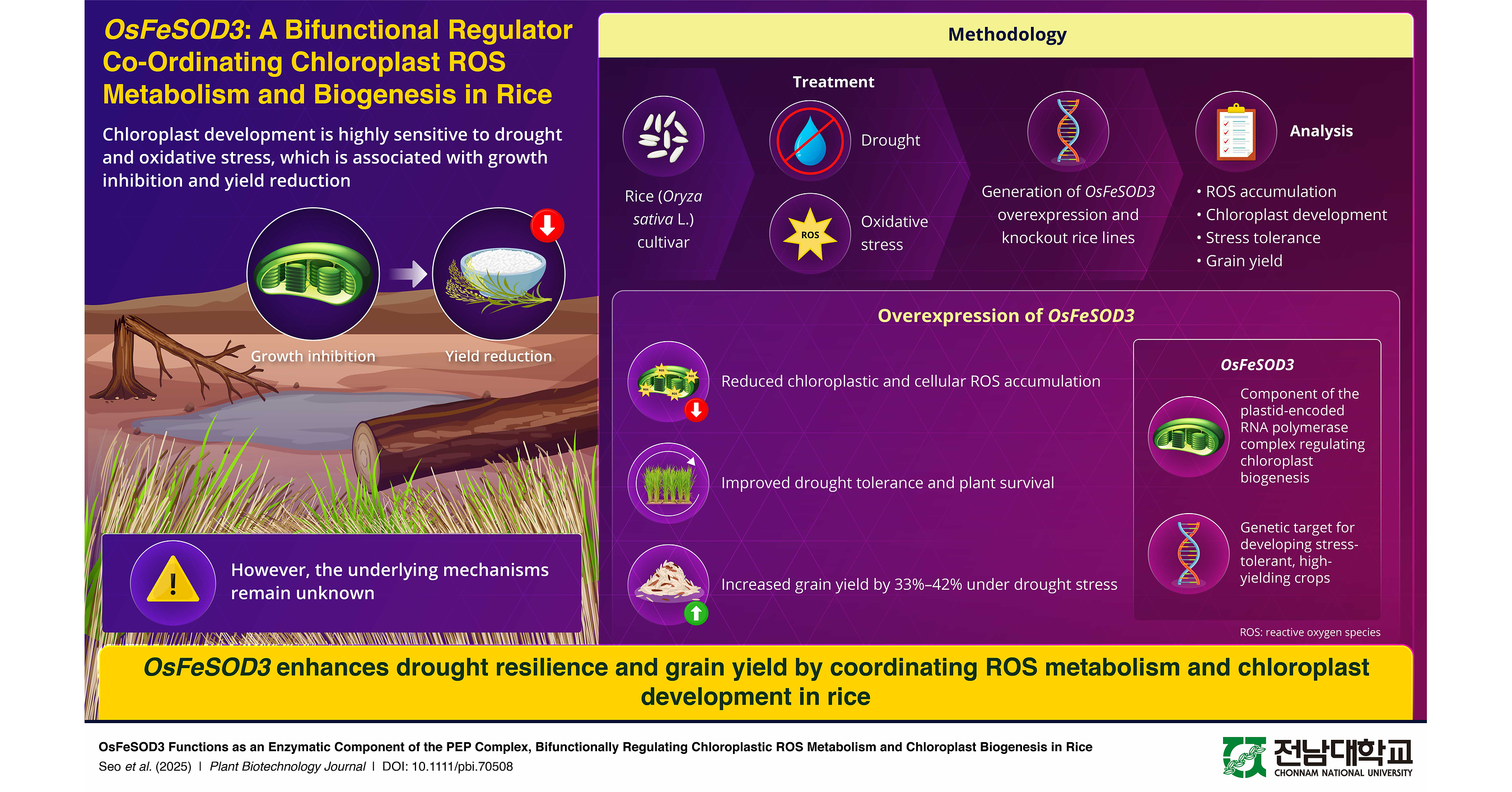
Plant scientists at Chonnam National University have successfully identified a specific chloroplast gene in rice that plays a critical role in mediating stress response and yield efficiency. By enhancing the plant's ability to cope with water scarcity while maintaining metabolic activity, this discovery addresses one of the most persistent challenges in global cereal production: the trade-off between survival mechanisms and biomass accumulation.
For European rice growers, particularly in regions like Italy, Spain, and parts of southern France where water availability has become increasingly volatile, this genetic breakthrough signals a shift in breeding priorities. Traditionally, drought-resistant varieties often showed lower yield potential due to resource allocation shifts. This dual-function gene suggests that future cultivars may no longer require farmers to choose between stability and profit.
The study highlights how chloroplast functionality directly influences photosynthesis under heat and osmotic stress. By fortifying the energy-producing organelles, the plant avoids the typical 'stunting' effect that occurs during prolonged drought. This is significant for maintaining grain quality and hectoliter weight, factors that heavily influence the final market price for high-quality rice varieties.
While this research is currently in the experimental stage, it serves as a precursor to upcoming CRISPR-based or transgenic crop traits. As global seed companies integrate these findings into their development pipelines, farmers can expect a new generation of rice seeds designed specifically for high-stress environments, reducing the reliance on intensive irrigation systems that are becoming restricted by local legislation.
What this means for the market: While these seeds are not yet commercial, agronomists should track the development of drought-tolerant rice varieties as a long-term risk management tool for areas with declining water access. As climate volatility impacts irrigation costs and water rights, adopting resilient seed technology will likely become the primary lever for maintaining margins in cereal production.
— agronom.work editorial team