
Plant-based milk proteins: A shift in the future of dairy agriculture?
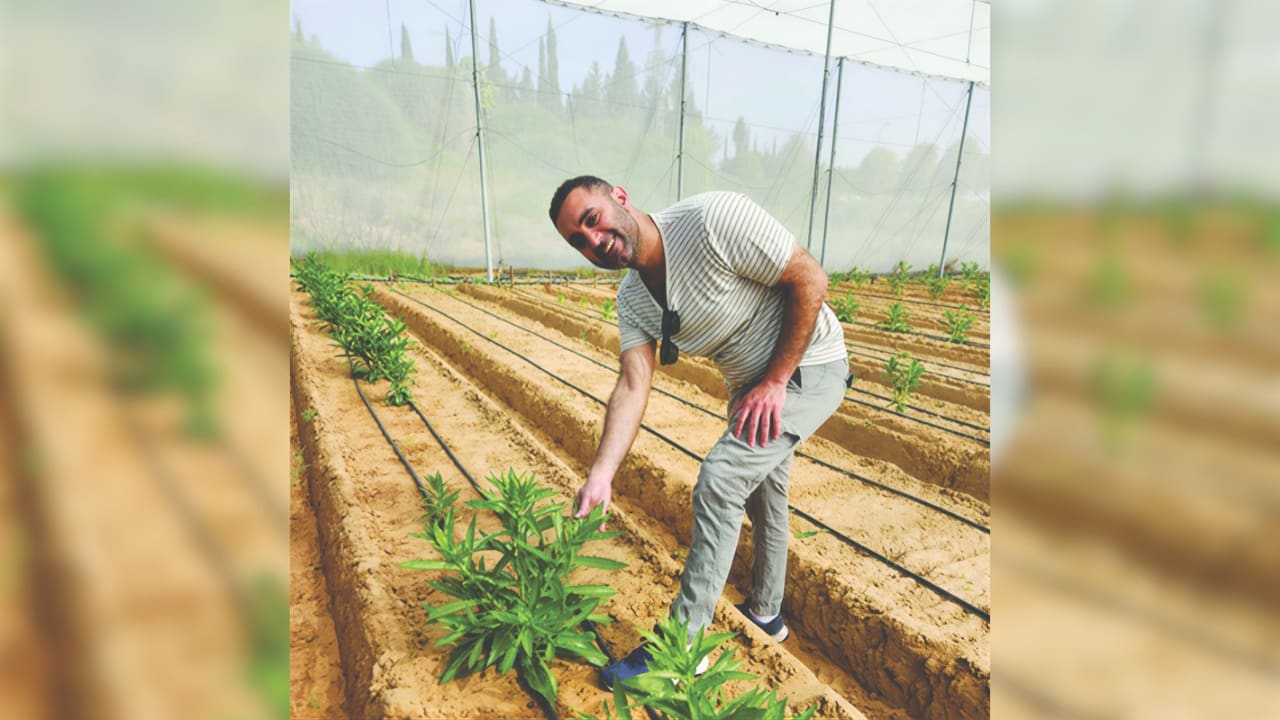
A recent breakthrough from the Hebrew University of Jerusalem (HUJI) has demonstrated the ability to engineer plant seeds to produce and store specific milk proteins. By modifying the genetic makeup of plant seeds, researchers have successfully induced them to synthesize proteins identical to those found in cow's milk, such as casein.
For the agricultural sector, this development represents a significant leap in synthetic biology that could eventually challenge traditional dairy farming. While still in the developmental phase, this technology aims to create high-value proteins that are chemically indistinguishable from animal-derived counterparts, potentially altering how the global dairy industry sources raw materials.
This innovation follows a broader trend of agricultural research aimed at reducing the carbon footprint of food production. Unlike traditional fermentation methods that require bioreactors, utilizing seeds could theoretically allow farmers to "grow" dairy proteins using existing cultivation infrastructure, effectively merging broad-acre crop production with the functionality of specialized manufacturing.
However, the transition from lab-scale success to commercial field application faces significant regulatory and economic hurdles. European and global farmers must navigate strict GMO regulations, which would likely apply to any commercial attempt to grow protein-expressing seeds. Furthermore, the impact on dairy market pricing—dependent heavily on cow-milk supply chains—remains speculative.
Context for farmers: While this tech does not pose an immediate threat to the dairy sector, it highlights the long-term trend of ingredient-level competition for milk products. Producers should monitor how regulatory frameworks evolve regarding lab-grown versus plant-expressed dairy components, as these will define the future competitive landscape for conventional milk and dairy powder markets.
— agronom.work editorial team