
PlantArcBio Corn Trials Show Yield Gains Under Field Conditions
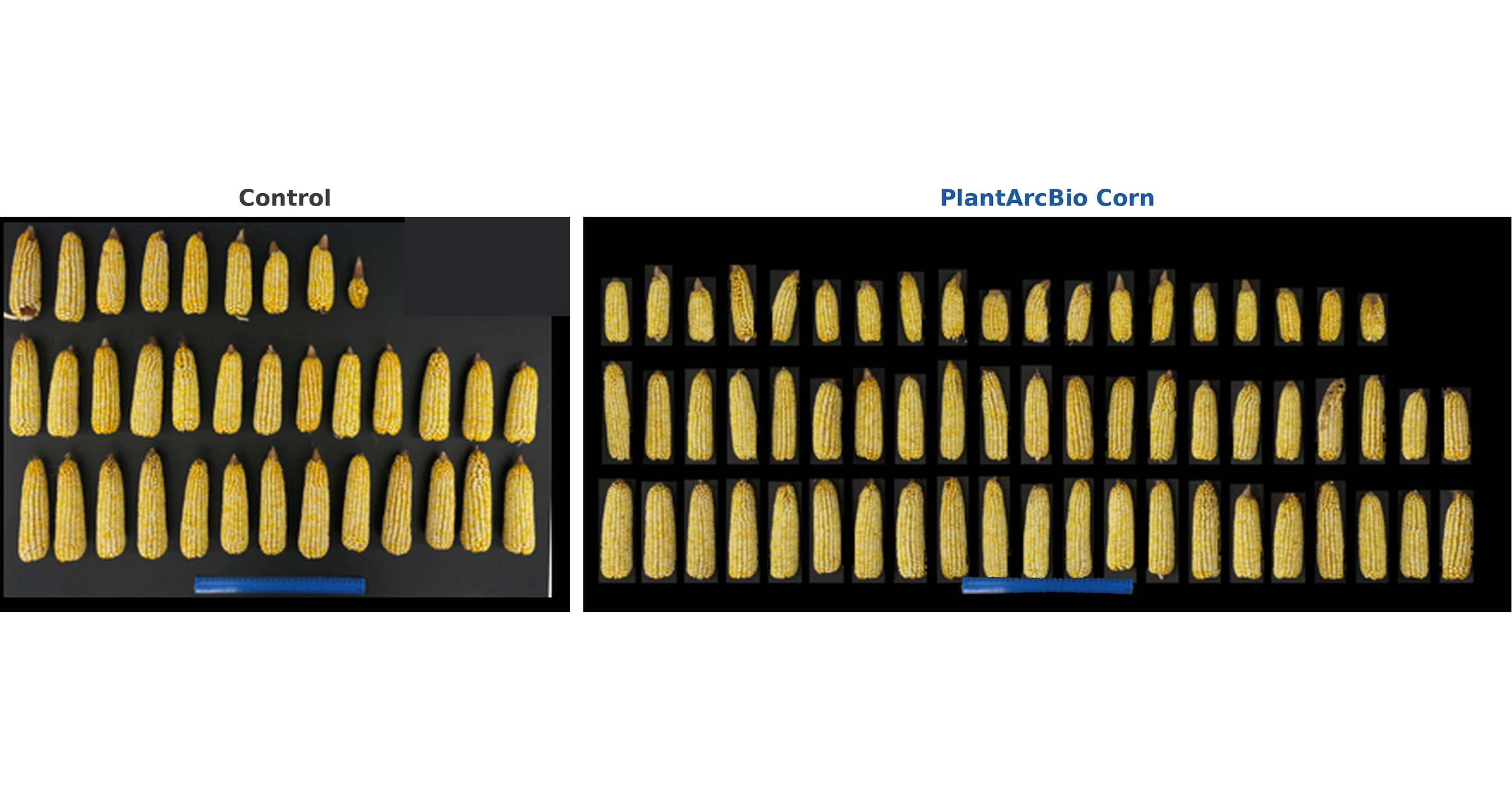
Ag-biotech innovation is moving closer to commercial reality as Israeli gene-discovery firm PlantArcBio announced promising results from its inaugural open-field corn trials. The company's proprietary Direct In Plant platform focuses on identifying and testing genetic traits directly inside living plants under real environmental stress, bypassing traditional laboratory models and computer-based screening.
For corn growers across Europe, where summer heatwaves and erratic rainfall increasingly threaten staple row crops, the development of robust drought-tolerance traits is becoming an operational necessity. Traditional breeding cycles often take decades to stabilize such complex traits, but modern agritech approaches aim to accelerate the integration of high-performing genes into commercial seed portfolios.
The recent field evaluations demonstrated that corn plots engineered with the company's lead genes achieved superior performance metrics compared to control groups. As European farming systems grapple with tightening water regulations and shifting climate zones, access to resilient planting material is critical for stabilizing farm-gate margins and securing consistent harvest volumes.
PlantArcBio operates by scanning vast libraries of candidate genes to isolate those capable of boosting both overall productivity and abiotic stress resilience. In practical terms, row-crop farmers look for biological solutions that protect yield potential during critical vegetative and reproductive stages without requiring additional chemical or water inputs.
Commercialization timelines for these advanced biotech traits will depend on subsequent multi-location field testing and regulatory approvals, particularly within strict European markets. However, the successful transition from greenhouse validation to open-field trials marks a major milestone for agritech developers seeking to address climate-induced yield volatility in major cereal crops.
Context for farmers: While these genetic innovations are still moving through the development pipeline, they signal the future direction of corn seed technology tailored for drought-prone European regions. Agronomists and farm managers should monitor upcoming trial data to anticipate how next-generation hybrid seeds will perform under local soil and climate conditions.
— agronom.work editorial team