
Plantik and Hudson River Biotechnology Partner to Develop Heat-Tolerant Strawberries
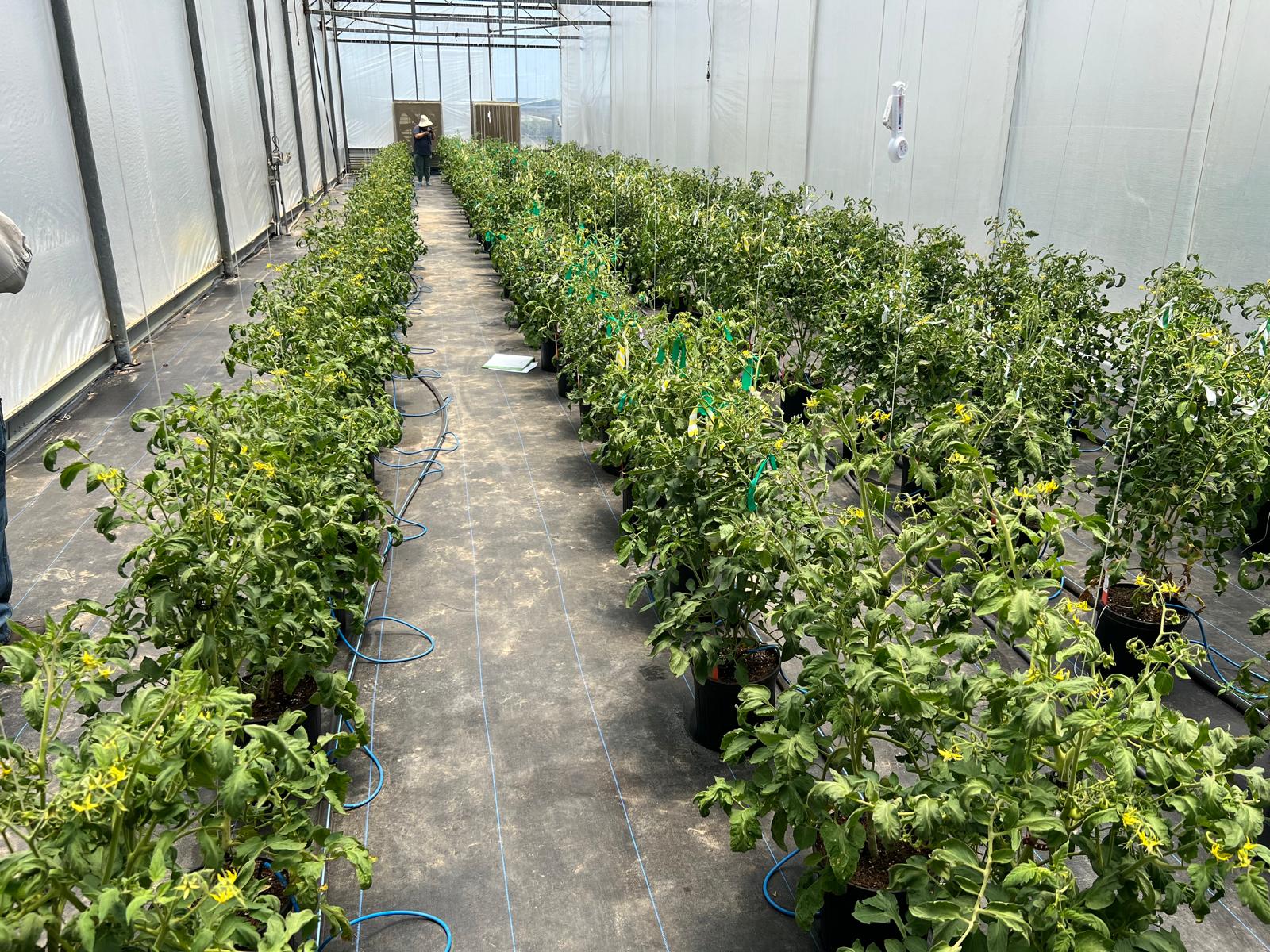
European berry growers and horticultural producers face mounting pressures as extreme heat waves disrupt flowering, reduce fruit set, and diminish overall fruit quality. In response to these growing climatic challenges, agtech companies Plantik Biosciences and Hudson River Biotechnology have announced a strategic partnership to develop validated, heat-tolerant traits specifically tailored for strawberries.
France-based Plantik utilizes its proprietary ATLANTIS machine learning platform to analyze regulatory DNA regions—often referred to as the dark genome—that control gene expression without inserting foreign DNA. Having previously demonstrated success with heat-tolerant tomatoes in field trials across Belgium and the US, the company is now applying its target discovery pipeline to more complex horticultural species.
Working alongside Plantik, Netherlands-headquartered Hudson River Biotechnology brings its BioMaas genome-editing platform to the collaboration. Unlike simpler diploid crops, strawberries are octoploid and typically propagated clonally rather than through seeds, making genetic improvement technically demanding and resource-intensive for standard breeding programs.
The partnership aims to bridge the gap between advanced trait discovery and commercial seed or nursery stock producers, offering smaller breeding enterprises affordable access to next-generation gene-editing technologies. By de-risking the development cycle, the initiative seeks to cut down high failure rates and bypass the lengthy five-to-eight-year timelines typical of traditional selective breeding.
This technological push aligns with shifting regulatory landscapes in the European Union, where discussions around simplifying rules for new genomic techniques have sparked renewed commercial interest in precision breeding. As validation trials get underway, successful deployment of these traits could secure future yields for soft fruit farmers operating under increasingly volatile weather conditions.