
Po River Drought Forces European Farmers to Reconsider Crop Resilience
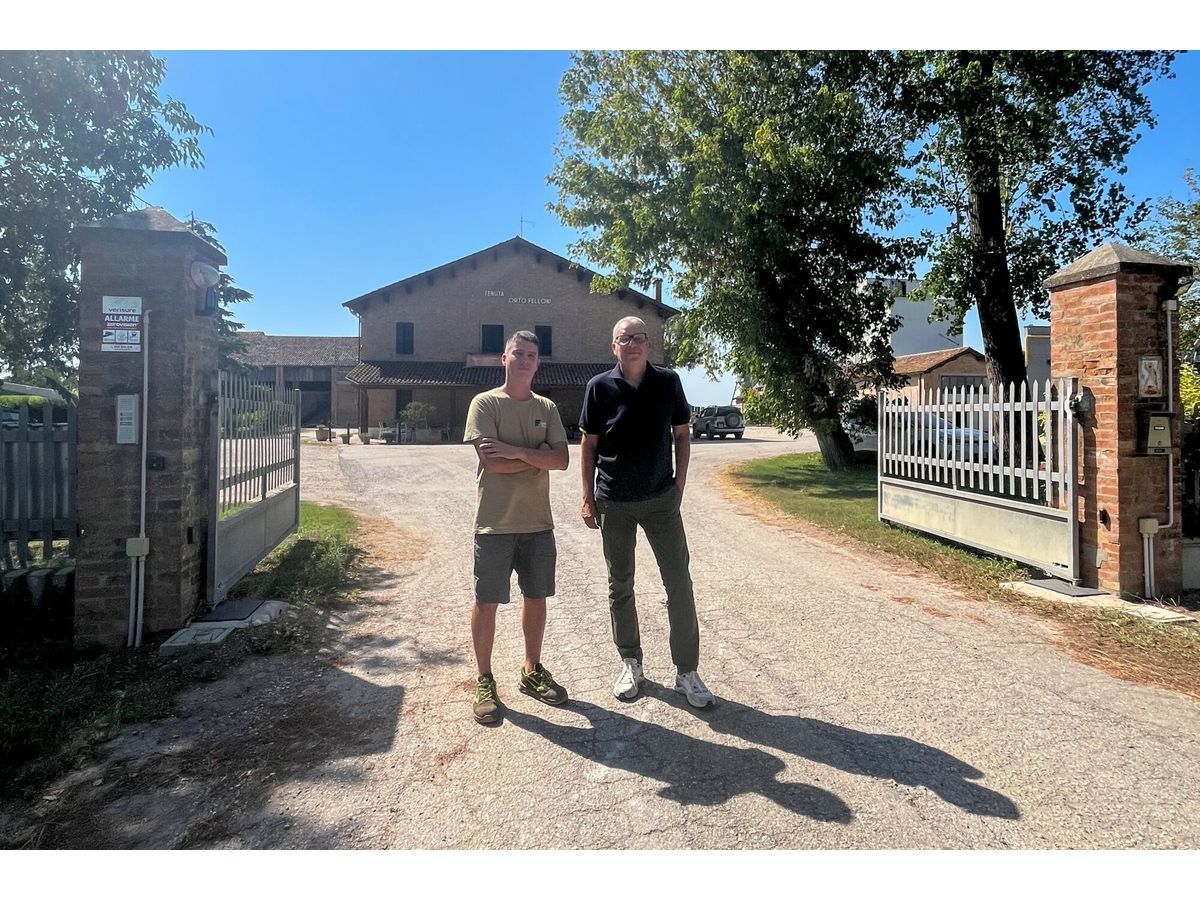
The Po River, the lifeblood of Italy's agricultural heartland, is facing a persistent, record-breaking drought that is fundamentally changing how farmers plan their seasons. As water levels reach critical lows, the traditional certainty of irrigation is vanishing, leaving producers in the Ferrara region and beyond to face a stark reality: the climate may no longer support the crops they have grown for generations.
For operators of large-scale irrigation infrastructure, such as the Consorzio di Bonifica Pianura di Ferrara, the challenge is managing a network of over 4,000 kilometers of canals that are increasingly starved of water. When the river flow drops, saltwater from the Adriatic Sea pushes further inland, salinizing the soil and rendering fields unsuitable for sensitive crops. This cycle of water scarcity and salt intrusion creates a double threat for soil health and yield stability.
Many farmers are now reaching a breaking point where they must decide whether to continue investing in water-intensive crops like maize and rice or pivot to more drought-resistant varieties. This decision carries significant financial risk. Moving to different crop types requires new machinery, different supply chain logistics, and a fundamental shift in technical agronomic management that can take years to optimize.
This situation is not isolated to Italy; it serves as a warning for the rest of Europe. As weather patterns become more erratic, the reliability of river-fed irrigation systems across the continent is being called into question. Farmers who rely on steady summer precipitation are finding that the water often arrives at the wrong time or in the wrong volume, forcing a total rethink of irrigation scheduling and drought-mitigation investments.
Practical takeaway: Farmers should evaluate the drought-resistance of their current crop portfolio and explore precision irrigation or soil moisture monitoring technologies as a hedge against future water volatility. Diversifying into less water-dependent varieties now may prevent sudden, forced abandonment of staple crops during future extreme low-flow events.
— agronom.work editorial team