
US Biosolids Policy Shift: Why European Farmers Should Monitor PFAS Regulations
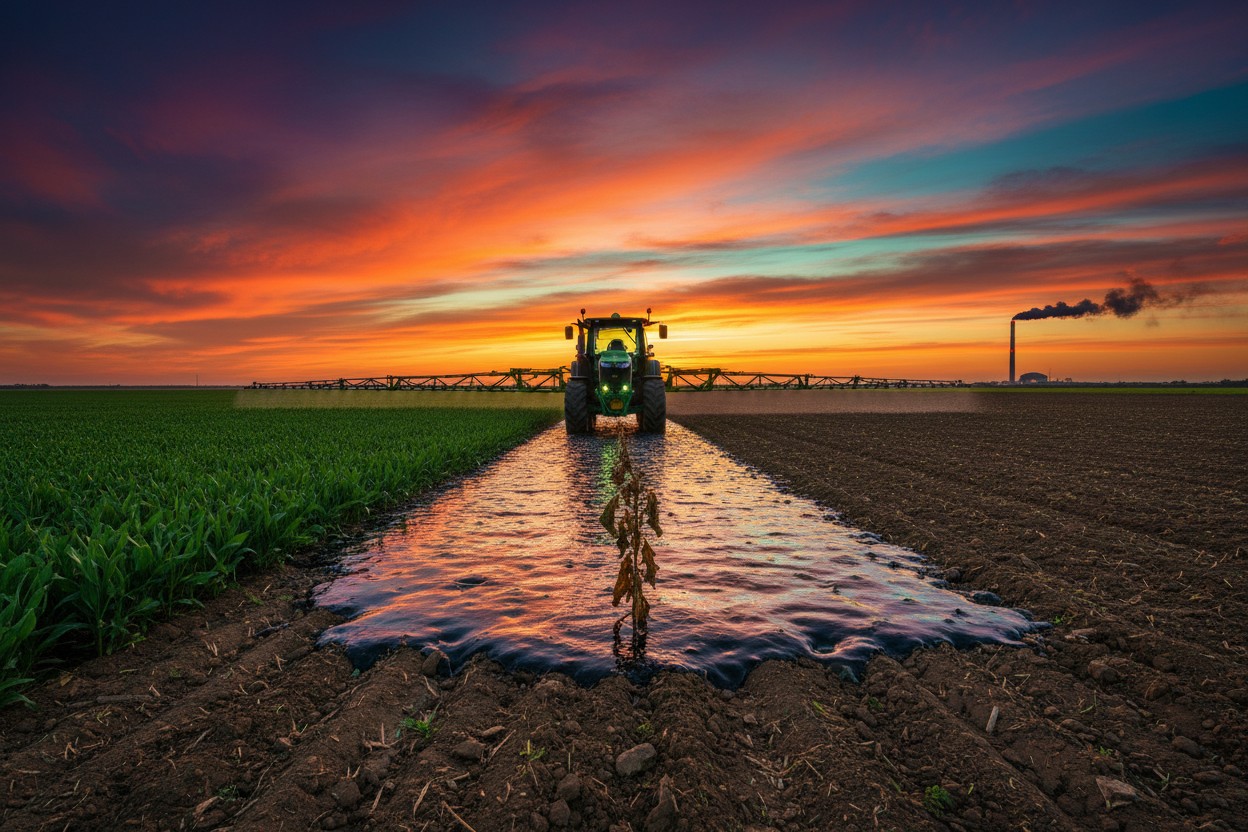
The US Environmental Protection Agency (EPA) has sparked significant controversy with a proposed regulatory path that maintains the use of sewage sludge—commonly referred to as biosolids—in agriculture, even while acknowledging concerns over per- and polyfluoroalkyl substances (PFAS). These "forever chemicals" are notorious for their persistence in the environment and potential accumulation in food chains.
For European farmers and agronomists, this development is a critical signal to watch. While the EPA's decision applies to the US, global agricultural policy often converges around soil health standards. PFAS contamination in agricultural land is already a growing concern in the EU, where national authorities are increasingly scrutinizing the use of municipal waste-derived fertilizers.
Biosolids have long been promoted as a sustainable, cost-effective source of nitrogen and phosphorus, helping farmers reduce reliance on synthetic fertilizers. However, the presence of industrial contaminants poses a long-term risk to soil quality and crop safety. If PFAS levels remain unregulated, farmers could face future liability or market rejection of their produce if trace amounts are detected by buyers.
In the EU, the regulatory framework is generally stricter regarding the heavy metal and chemical content of sewage sludge applied to land. The current US shift highlights the tension between promoting circular economy waste management and protecting food security. This divergence creates a complex landscape for international trade, as agricultural standards for food safety continue to tighten globally.
Context for farmers: While direct US regulation does not affect European farm operations today, it serves as a barometer for the broader debate on waste-derived fertilizers. Farmers should continue to prioritize testing of organic inputs and monitor local legislation, as any future stricter EU-wide limits on contaminants in fertilizers could disrupt current supply chains for biosolids used in cereal and forage production.
— agronom.work editorial team