
Slow Start to India's Rabi Season Triggers Mustard and Wheat Sowing Concerns
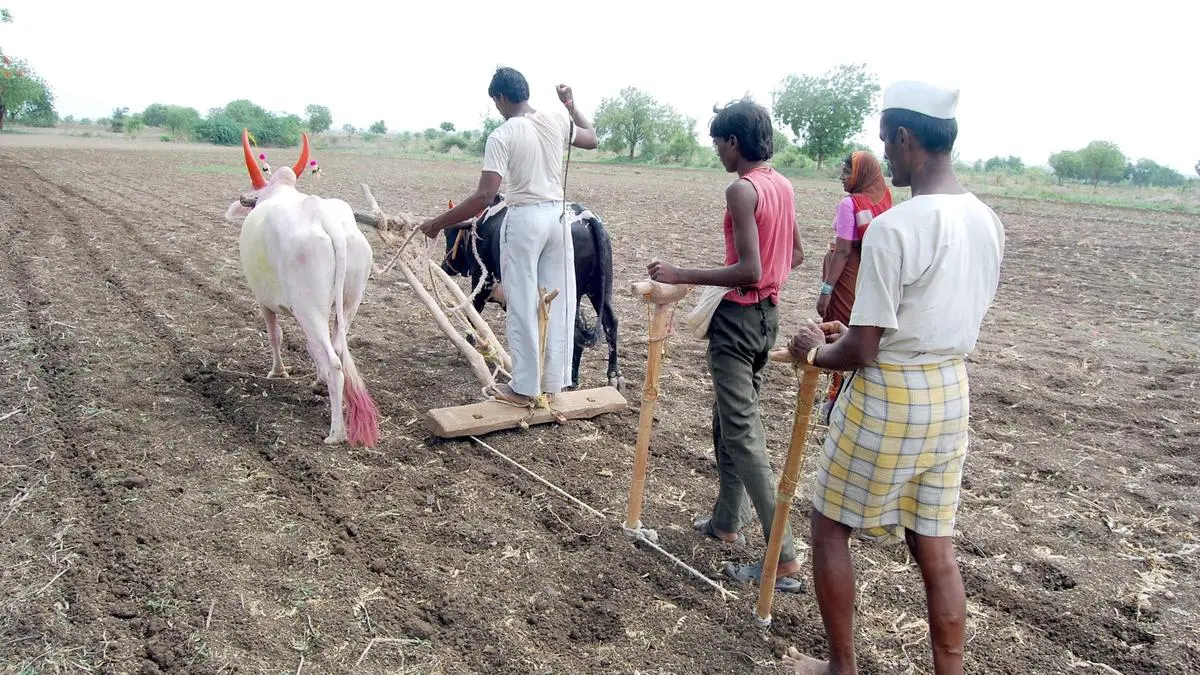
Initial crop-sowing data for India's upcoming rabi season reveals a concerning start, with total acreage trailing 37 percent behind last year's pace. The slowdown is primarily driven by a sharp drop in mustard seed planting, which sets the tone for the winter cropping cycle across major agricultural belts.
The contraction in planted area is heavily concentrated in key producing states such as Rajasthan, Uttar Pradesh, Madhya Pradesh, Gujarat, Maharashtra, and Karnataka. These regions have reported deficient post-monsoon and pre-sowing rainfall, leaving soil moisture levels inadequate for timely field preparation and germination.
Alongside oilseeds like mustard, early figures indicate that major cereal and pulse crops—including wheat, chana (gram), and moong—are also lagging behind normal schedule. Farmers in affected districts are currently hesitating to commit seed and fertilizer inputs until localized weather conditions improve or irrigation channels provide relief.
For European grain and oilseed markets, shifts in India's domestic production capacity carry subtle global weight, particularly regarding vegetable oil import demands. India remains one of the world's largest buyers of edible oils, and any shortfall in domestic mustard or rabi oilseed output typically translates to stronger international purchasing pressure on palm, sunflower, and rapeseed oils.
Agricultural meteorologists note that while there is still a window for sowing catch-up if winter precipitation arrives on time, prolonged dry spells threaten final yield potentials. Extension services in the affected states are advising growers to utilize moisture-conservation tillage practices where possible to mitigate the ongoing weather deficit.
What this means for the market: A sluggish start to India's rabi season points to potential domestic supply tightness for oilseeds and winter grains, which could influence global vegetable oil import demand and international commodity pricing trends. European exporters and processors should monitor these weather anomalies closely as the winter agricultural cycle unfolds.
— agronom.work editorial team