
Government-Funded Cloud Seeding Targets Drought Mitigation in Key Crop Regions
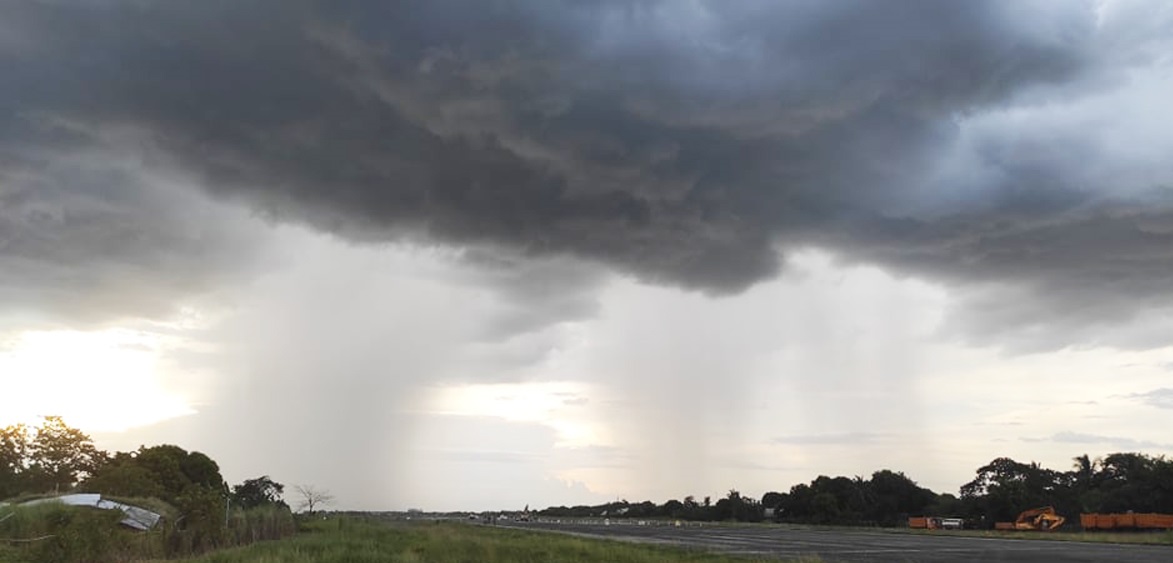
The increasing frequency of prolonged dry spells is forcing agricultural ministries worldwide to take active measures to protect crop yields. In a notable move to combat water scarcity, agricultural authorities in the Philippines have allocated a dedicated budget for cloud-seeding operations across key farming regions, including Western Visayas and Negros Island. This proactive approach underscores the growing necessity of advanced interventions to secure food production.
Cloud seeding, an agritech and meteorological intervention that involves dispersing substances like salt or silver iodide into clouds to stimulate precipitation, is being strategically deployed to mitigate the severe impacts of drought. For regions heavily dependent on water-intensive staples such as sugarcane and rice, these operations are considered critical to preventing massive harvest failures and stabilizing the local agricultural economy.
For European farmers who are increasingly facing unpredictable summers and tightening irrigation restrictions, this development highlights an important shift in how governments handle extreme weather. Instead of relying solely on reactive measures like drought compensation or strict water rationing, there is a visible global trend toward utilizing proactive weather modification to actively sustain agricultural output during critical growth stages.
Executing a successful cloud-seeding campaign requires precise agronomical and meteorological coordination. The Bureau of Soils and Water Management and local agricultural departments must constantly monitor soil moisture levels, assess cloud formations, and deploy aircraft at the exact right moment. This ensures that the artificially induced rain falls precisely over the parched farmlands where crops need it most, rather than dissipating over the ocean or non-agricultural areas.
As climate volatility continues to challenge traditional farming cycles and deplete natural water reserves, the integration of advanced meteorological tools into standard agricultural policy is likely to expand. Observing how major agricultural regions worldwide adapt to severe water scarcity provides valuable insights into the future of drought management, agritech adoption, and large-scale crop protection.