
Managing Crop Bolting: Strategies to Prevent Premature Seeding in Summer Heat
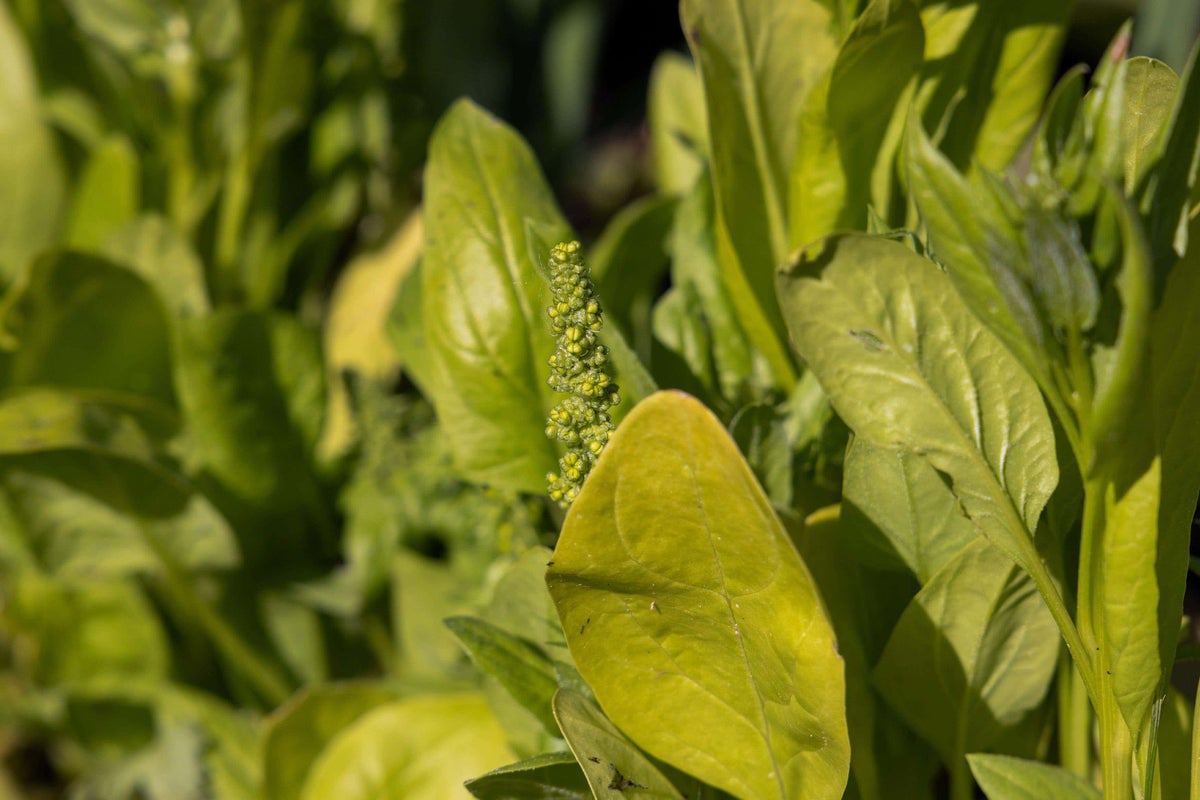
As temperatures climb across Europe, farmers and market gardeners face the persistent challenge of premature bolting. When leafy greens like spinach, lettuce, or brassicas encounter prolonged heat or fluctuating moisture levels, they shift their biological priority from vegetative growth to reproductive development, essentially deciding to set seed rather than produce a marketable crop.
This phenomenon, known as bolting, renders crops tough, bitter, and commercially unsellable. For agronomists, the issue often stems from thermal stress—a signaling pathway in plants that interprets intense heat as a cue to complete their life cycle before conditions become even more hostile. Once a plant begins to elongate its flowering stem, the flavor profile changes rapidly due to the accumulation of alkaloids.
Irrigation management is the primary lever for mitigation. Keeping the root zone cool and consistently moist helps buffer the plant against rapid temperature spikes. Drip irrigation, particularly when paired with mulch or light-colored row covers, can significantly lower the ambient temperature around the plant's base, tricking it into remaining in its vegetative state longer.
Furthermore, genetic selection remains a crucial long-term strategy. Agronomists should prioritize cultivars specifically bred for 'slow-bolt' characteristics, which possess a higher threshold for photoperiodic and thermal triggers. In regions with increasingly erratic summers, diversifying your planting schedule with heat-tolerant varieties can prevent the mass loss of entire batches of produce.
Context for farmers: Proactive moisture management and the transition to heat-resistant genetics are essential to maintaining supply chain consistency throughout the peak summer months. By stabilizing the microclimate in your field or greenhouse, you can extend the harvest window and preserve the quality required by retailers and end consumers.
— agronom.work editorial team