
Indonesia's B50 Biodiesel Ambitions and the Future of European Vegetable Oil Markets
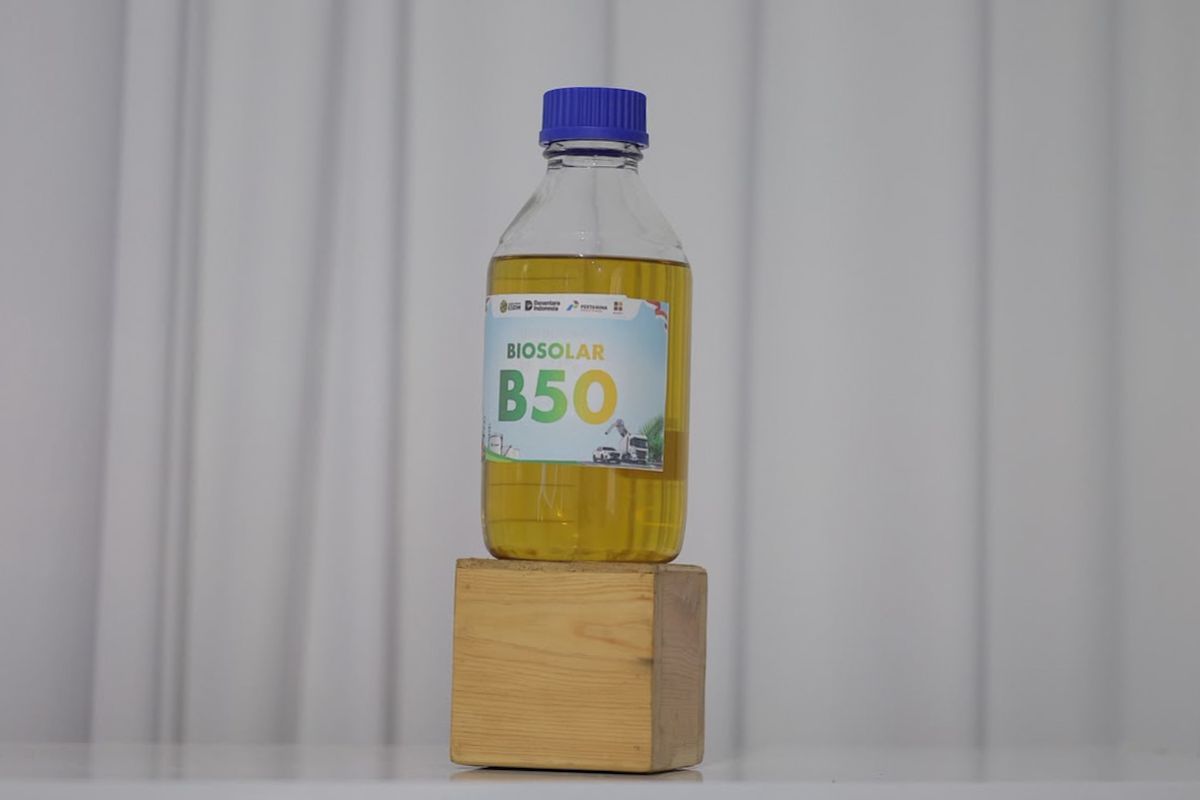
The Indonesian government is pushing forward with its B50 biodiesel program, which aims to blend 50% palm oil-based biodiesel into diesel fuel. By focusing on downstream processing, the country seeks to increase the domestic value of crude palm oil (CPO) and reduce reliance on energy imports. While the policy is primarily domestic, its implementation is set to alter the global balance of vegetable oil supply chains.
For European farmers and oilseed producers, the implications of a massive shift in Indonesian palm oil consumption are indirect but significant. As Indonesia absorbs more of its own CPO for domestic energy use, global export volumes may tighten. This shift effectively places a floor under vegetable oil prices, which directly impacts the competitiveness of European-grown rapeseed and sunflower oil.
European agronomists should note that market volatility in the vegetable oil sector is often linked to the regulatory shifts of major producers like Indonesia. When the world’s largest producer of palm oil pivots toward energy self-sufficiency, the global vegetable oil market tends to tighten, which can influence the profitability of domestic oilseed rotations.
Furthermore, the move signals a broader trend in how agricultural commodities are being utilized for energy security. As European mandates for renewable energy continue to evolve, the global competition for land-intensive crops will only intensify. Farmers should prepare for a landscape where energy policy is as critical to market pricing as actual harvest yields.
Context for farmers: The B50 initiative is expected to reduce the global availability of palm oil, potentially supporting higher price levels for European oilseeds like rapeseed. Producers should monitor these global blending mandates as they are strong indicators of future price floors for European feedstocks.
— agronom.work editorial team