
U.S. Bird Flu Fatality Linked to Dairy Cattle Highlights On-Farm Biosecurity Risks
The confirmation of the first U.S. human death from H5N1 avian influenza linked to dairy cattle exposure serves as a stark reminder of the zoonotic risks present in modern livestock operations. Public health officials reported that the Yakima County resident, who had underlying health conditions, contracted the virus following direct contact with infected dairy cattle. While public health agencies maintain that the general risk to the broader population remains low, the incident underscores the occupational hazards faced by farm workers, herd managers, and veterinarians.
For dairy and mixed-crop farmers across Europe and North America, this development brings biosecurity protocols back to the forefront of daily farm management. The ongoing circulation of the H5N1 strain among dairy herds in various regions has challenged conventional assumptions that avian influenza is strictly a poultry issue. Farm operators are increasingly forced to re-evaluate how diseases cross species barriers within agricultural settings, prompting tighter controls on animal movement, milking hygiene, and visitor access to barns.
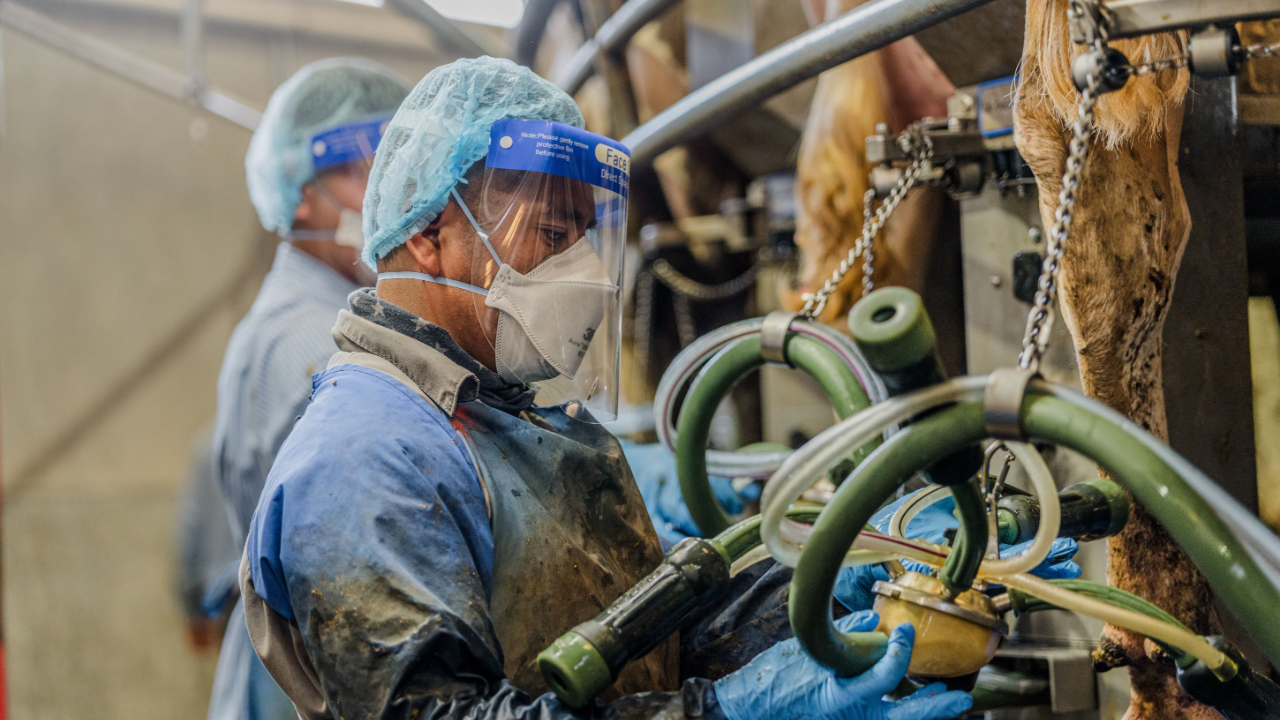
From an operational standpoint, heightened biosecurity requires significant adjustments on the ground. Implementing rigorous personal protective equipment standards for milkers and herd handlers, such as respirators, eye protection, and dedicated footwear, is becoming standard practice in affected production zones. However, achieving compliance among transient or seasonal agricultural labor can present persistent logistical challenges for farm owners striving to balance operational efficiency with worker safety.
The broader agricultural economy also watches these developments closely due to potential disruptions in supply chains and consumer confidence. While human-to-human transmission of H5N1 remains extremely rare, any association between livestock production and severe illness can impact market dynamics. Dairy processors and meat producers are acutely aware that herd health is directly tied to market stability, making proactive disease surveillance and rapid reporting vital tools for protecting the agricultural sector.
What this means for the market: Farm operators and livestock managers must treat biosecurity not as an administrative checkbox, but as a core pillar of operational risk management. Investing in proper PPE, worker training, and strict herd monitoring protects both agricultural labor forces and the long-term viability of the dairy enterprise.
— agronom.work editorial team