
Rajasthan Rain Deficit Threatens Kharif Yields for Guar, Moong and Moth
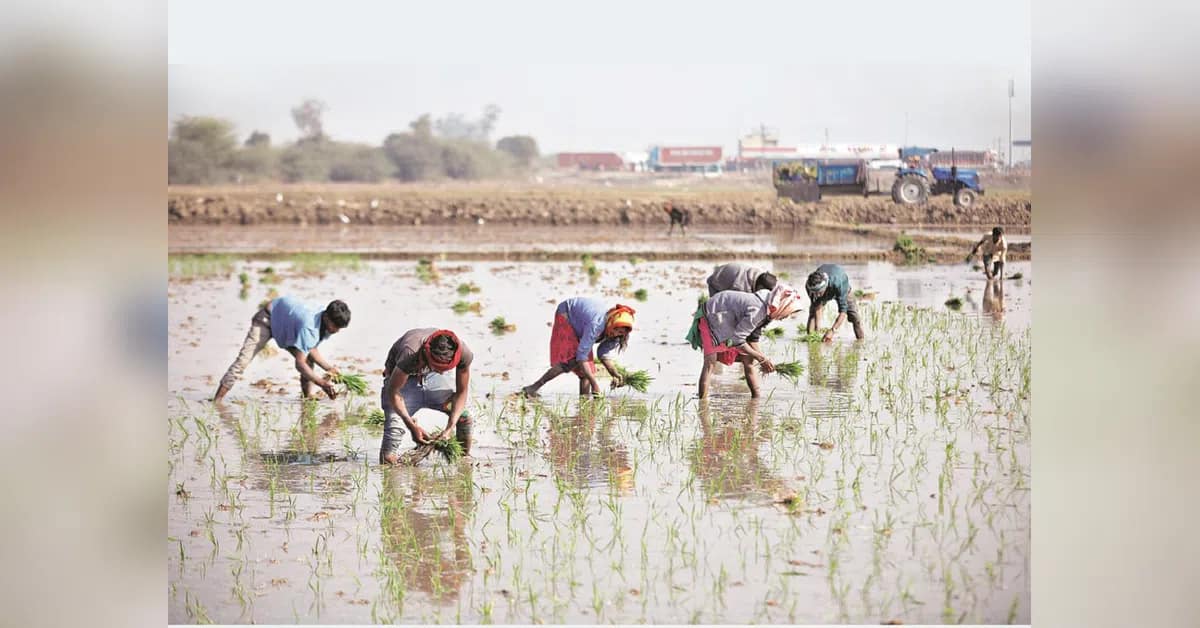
Agro-climatic conditions in India's northwestern state of Rajasthan are raising serious alarms for the current Kharif season. A persistent rainfall deficit across key agricultural districts has left millions of hectares of rainfed farmland under severe moisture stress, threatening the expected harvest of vital summer-sown crops.
Among the most vulnerable commodities are cluster beans, commonly known as guar, alongside pulses like moong (green gram) and moth bean. Rajasthan holds a dominant position in the global production of guar, serving as the primary source for guar gum used extensively in both petroleum extraction and various food processing industries worldwide.
The lack of adequate monsoon precipitation during critical vegetative and flowering stages has severely stunted plant growth. Agronomists on the ground report that prolonged dry spells have caused irreversible wilting in many rainfed areas, where irrigation infrastructure is sparse and farmers rely heavily on timely monsoon downpours.
For European agricultural markets and industrial importers, supply chain ripples from Rajasthan's weather anomalies are often immediate. Reduced domestic output in India routinely translates into upward price pressures on guar derivatives and imported pulse varieties, affecting feed mills, food manufacturers, and industrial processors across the EU who source raw materials from South Asia.
Local farming communities in the affected districts now face difficult economic prospects as crop failure or diminished yields threaten seasonal incomes. Agricultural extension services are monitoring the situation closely, though mitigation options remain limited for vast swathes of non-irrigated land dependent entirely on erratic meteorological patterns.
— agronom.work editorial team