
Record Biosecurity Fine for Cattle Movement Highlights Global Compliance Risks
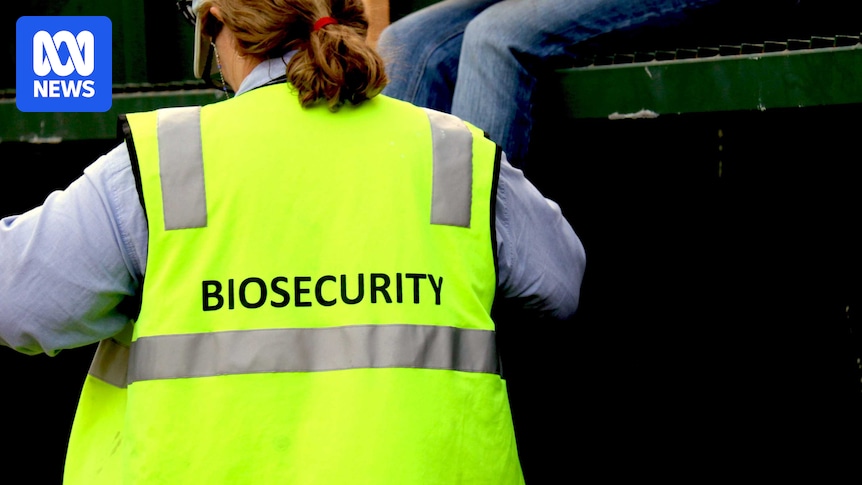
A recent landmark legal case is sending ripples through the global livestock industry, underscoring the critical importance of strict animal movement controls. Argyle Foods Pastoral, a prominent agricultural company, was recently handed the largest-ever biosecurity fine under Queensland state law in Australia after illegally moving cattle. Interestingly, the extensive investigation was triggered by the company's own internal tip-off to the authorities.
At the heart of this massive penalty is the universal rule of livestock farming: biosecurity cannot be compromised. The illegal movement bypassed mandatory clearance protocols designed to prevent the spread of devastating tick-borne diseases. For European farmers currently dealing with outbreaks of Bluetongue virus and navigating strict TRACES (Trade Control and Expert System) regulations, the underlying principles of this incident are highly relatable.
The case highlights a growing divide between overarching corporate governance and on-the-ground farm logistics. While local transport operators or farm managers might occasionally be tempted to cut corners to save time or bypass tedious quarantine checkpoints, the parent entity recognized the existential threat of a biosecurity breach. By self-reporting the violation, the company attempted to mitigate the long-term damage, yet it still faced unprecedented financial penalties.
This record fine sets a new global precedent for how agricultural authorities treat biosecurity negligence. It demonstrates that regulators are no longer issuing mere warnings for paperwork errors or undocumented livestock transport. The potential financial ruin that accompanies a major disease outbreak—not to mention the loss of consumer trust and immediate export bans—justifies these increasingly heavy-handed enforcement measures across all jurisdictions.
Worth noting: Modern agricultural supply chains are highly transparent, and any attempt to bypass health and movement checks will likely be exposed, either by internal audits or regulatory tracking. Livestock operators must ensure that every driver and farm manager strictly adheres to regional biosecurity protocols to avoid catastrophic fines and disease spread.
— agronom.work editorial team