
Regenerative Certifications: Why Organic Remains the Gold Standard for Farmers
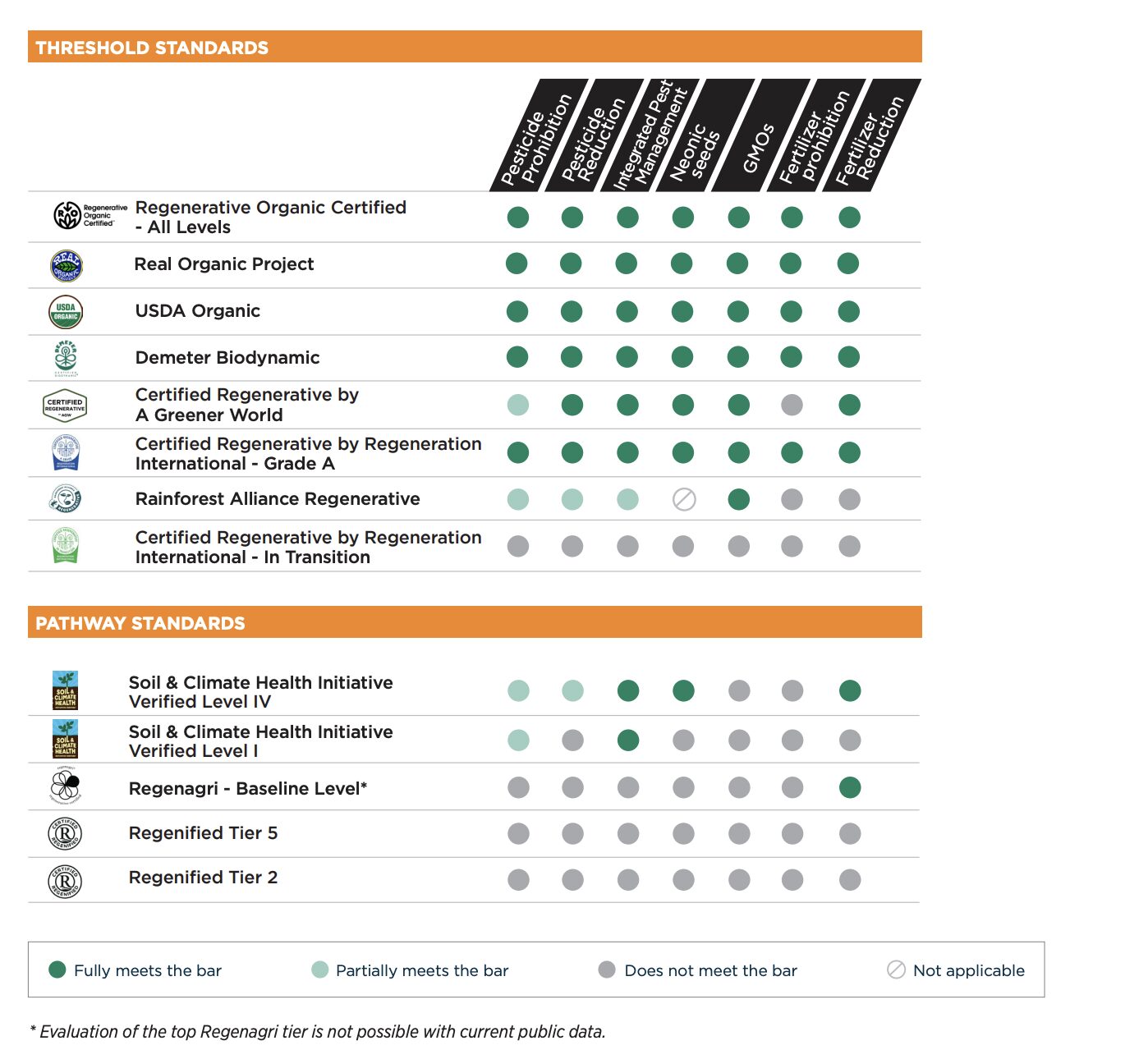
The agricultural sector is currently awash with discussions about regenerative farming, often promoted by large food buyers and policy frameworks as the future of crop production. However, a new report from Friends of the Earth United States issues a stark reminder: "regenerative" does not inherently mean "pesticide-free." For European farmers navigating an increasing number of certification schemes, this distinction is critical when planning long-term farm strategies and anticipating buyer demands.
The comprehensive analysis of ten prominent regenerative agriculture certifications revealed a wide variation in standards, particularly regarding agrochemical use. While regenerative agriculture focuses on soil health, biodiversity, and ecosystem resilience, the report found that several newer "pathway" certifications allow continued, albeit sometimes restricted, use of chemical pesticides and synthetic fertilizers. This creates a confusing landscape for producers who might invest in a certification that ultimately fails to command the premium prices associated with truly clean food chains.
For farmers considering a transition, the report categorizes certifications into "pathway" and "threshold" programs. Pathway programs are designed to meet farmers where they are, encouraging incremental improvements in soil health without immediate bans on agrochemicals. These can be useful stepping stones for conventional farms. However, threshold programs—such as those strictly based on organic standards—set a high, uncompromising bar from day one, offering the most reliable assurance to corporate buyers and consumers seeking pesticide-free products.
The environmental organization strongly advocates that organic certification should serve as the baseline for formal regenerative definitions. Decades of research back organic farming systems as a proven method for improving climate resilience, soil carbon sequestration, and overall biodiversity. For the agricultural community, this suggests that while entry-level regenerative practices are good for farm health, the ultimate economic and ecological goal should remain achieving full organic status, which is backed by clear legal frameworks and stringent enforcement.
Practical takeaway: When choosing a certification scheme to attract premium buyers or access new supply chains, be cautious of programs with loose pesticide restrictions. Treat entry-level regenerative certifications as a transitional tool, but plan your farm's long-term strategy around rigorous organic standards to secure the highest market trust and profitability.
— agronom.work editorial team