
Regenerative Farming: Lessons from a Belgian Grower Who Never Irrigates
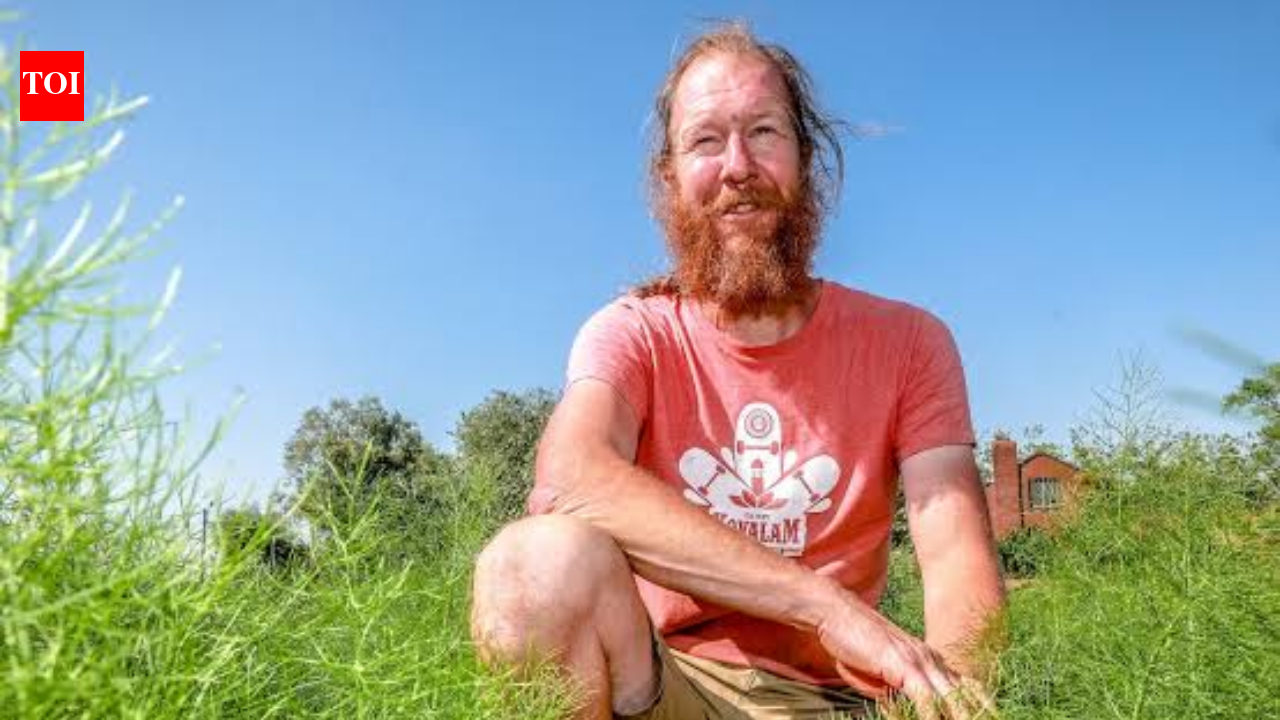
In an era where climate change-induced drought is forcing European farmers to rethink their water management strategies, one Belgian grower has emerged as a beacon of efficiency. Diederik Steyaert reports that he has not irrigated his open-field crops for 26 years, even during the most challenging summers. His secret lies in the long-term transformation of soil structure.
The methodology centers on the total elimination of ploughing, which preserves the intricate fungal networks and soil pores essential for water retention. By continuously incorporating organic matter and keeping the soil covered, Steyaert has fostered a habitat where the soil acts like a sponge. Even when the top layer appears parched, a simple dig just 5 to 10 centimeters deep reveals moist, cool earth, regardless of external conditions.
This approach highlights the critical link between soil carbon and hydrological resilience. When soil organic matter increases, the ground’s ability to hold water per hectare rises exponentially. For professional agronomists and commercial farmers, this is not just an ecological success story but a financial one, as it reduces energy costs associated with pumping water and minimizes the risk of total crop loss during heatwaves.
However, scaling such practices requires a significant shift in machinery and mindset. Moving from conventional tillage to no-till (or direct seeding) necessitates high-precision equipment designed to penetrate dense cover crops and soil crusts. While initial capital investment can be high, the long-term stability of yields in a climate-unpredictable Europe makes it a compelling alternative to traditional, high-input farming.
Practical takeaway: Investing in soil organic matter and cover crop management can serve as a natural hedge against drought, potentially eliminating the need for expensive irrigation infrastructure. Farmers looking to trial these methods should start with test plots to adjust their seeding equipment and monitor water retention rates before transitioning their entire acreage.
— agronom.work editorial team