
Spain's Record Olive Harvest Triggers Market Defense as 'Liquid Gold' Prices Face Pressure
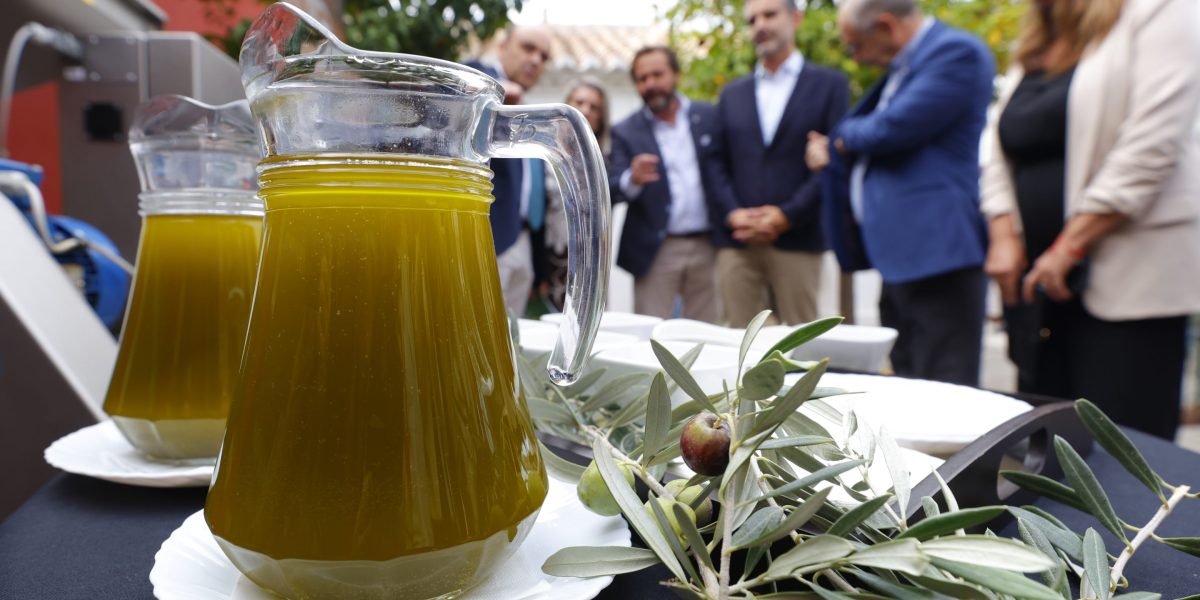
A massive surge in olive production across Spain is threatening to upend the global olive oil market. Following severe droughts and adverse weather that sent 'liquid gold' prices soaring to historic highs over the past two years, the latest forecasts indicate a dramatic rebound. Spain's agriculture ministry projects the upcoming harvest to jump 23% to reach 1.6 million tons, marking the fourth-largest yield in the country's recorded history.
This sharp recovery in supply comes as a welcome relief to consumers across Europe and North America who have faced skyrocketing grocery bills. However, for olive growers and producers, the sudden abundance presents a formidable economic challenge. Historically, such bumper harvests trigger steep price drops, potentially erasing the profit margins that farmers relied on during the lean, low-yield years of recent seasons.
In an unprecedented move to protect domestic producers and stabilize market values, Spain's agricultural authorities have implemented supply-restricting measures. For the first time, the country is utilizing EU-backed self-regulation mechanisms—specifically, a green harvesting and storage authorization framework—to withhold a portion of the olive oil from immediate market circulation, preventing a catastrophic collapse in farmgate prices.
Managing olive oil supply is a delicate operational and biological task. Unlike non-perishable commodities, bulk olive oil cannot be indefinitely stored without degrading in quality. If kept too long or under improper conditions, the oil loses its coveted 'extra virgin' classification due to rising acidity and oxidation, which severely diminishes its commercial value on international export markets.
For European agronomists and olive grove managers, this market dynamic underscores the critical importance of post-harvest management and processing technology. As cooperative mills and private estates prepare for the influx of olives, optimizing extraction efficiency, temperature control during storage, and rigorous quality testing will be vital to preserving the asset value of the harvest before market release.
What this means for the market: While consumers can anticipate some moderation in retail prices following years of inflation, olive farmers must closely monitor storage protocols and regulatory release schedules to maximize returns. Balancing inventory volumes will be key to preventing market saturation without compromising the grading quality of the oil.
— agronom.work editorial team