
Indian Corn Exports Reach Three-Year High: Impact on European Feed Markets
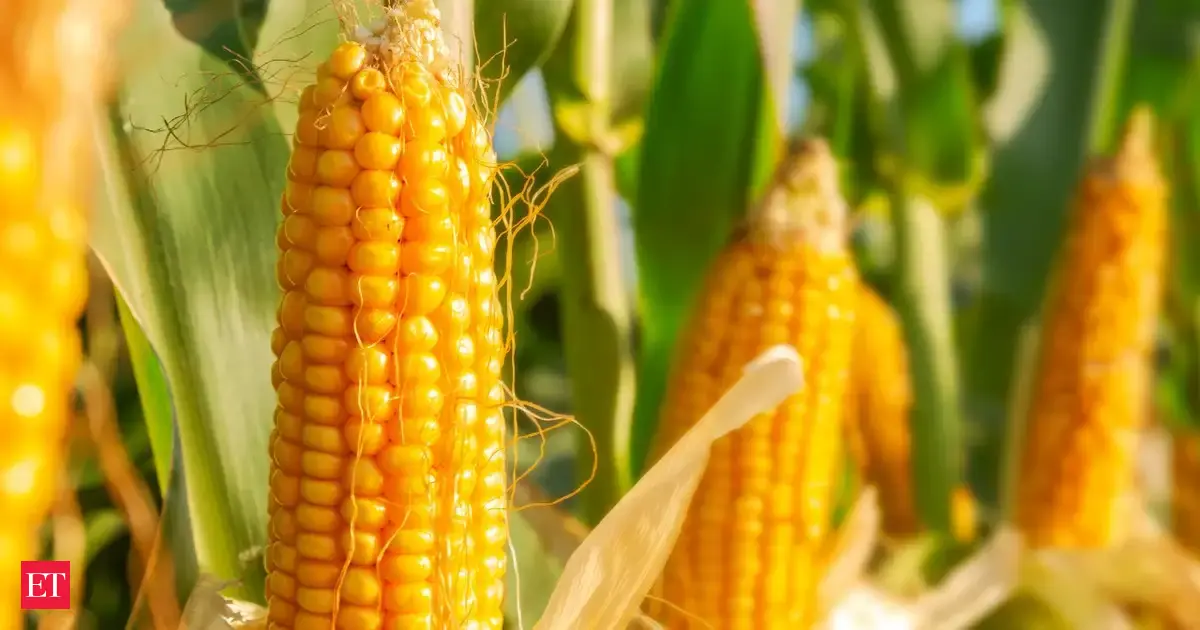
India is on track to achieve its highest corn export volume in three years, driven by consecutive record harvests and a domestic price advantage. By positioning itself as a reliable low-cost supplier to neighbors like Vietnam and Bangladesh, India is effectively absorbing regional demand that might otherwise have pulled supplies from other major global exporters.
For European farmers and feed producers, this shift in the Indian market represents a tightening of global trade flows. While European corn is largely consumed internally or traded within the EU, the global price of feed grains is highly sensitive to the movements of major exporters like Brazil, the US, and Ukraine. When India clears a significant portion of its surplus, it reduces the need for other major producers to dump excess stock, which can prevent extreme downward pressure on global pricing.
The current logistical advantage India enjoys—largely due to lower freight costs to Southeast Asian destinations compared to long-haul shipments from the Americas—demonstrates how geography continues to define commodity competitiveness. This regional dominance is a recurring theme in global trade, where proximity to high-demand growth markets acts as a permanent subsidy for local producers.
European feed mills and livestock operations should monitor these developments as a precursor to global market tightening. While India is not a primary supplier to the EU, their export activity impacts the global feed basket, influencing futures prices on the MATIF and other exchanges that influence local input costs.
What this means for the market: Increased Indian exports limit the global supply of corn available for other major buyers, which could prevent sharp drops in global feed prices even if production in the Americas remains high. European livestock farmers should look for opportunities to hedge feed costs when global price dips occur, rather than expecting a sustained collapse in grain prices.
— agronom.work editorial team