
US Beef Prices Hit Record Highs: Drought and Screwworm Resurgence Shrink Herds
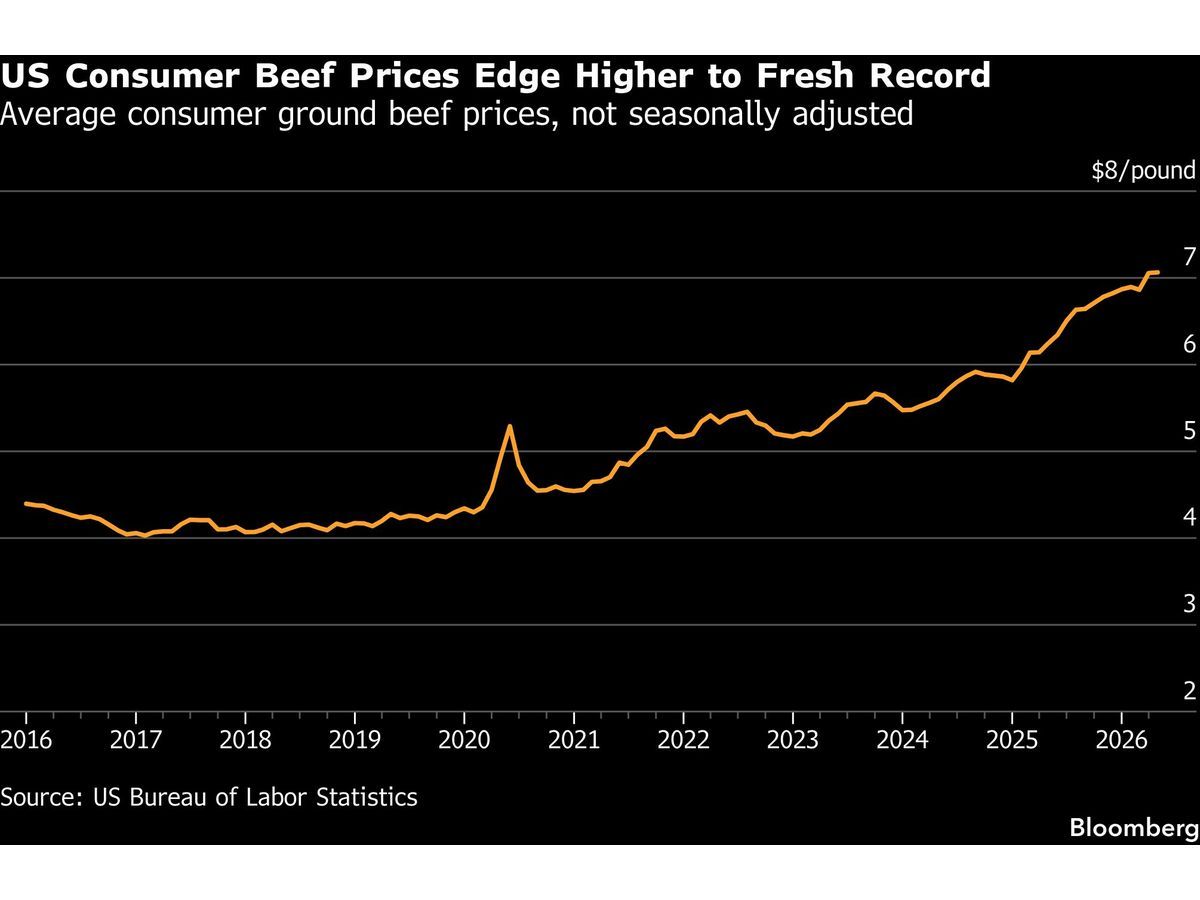
The United States cattle industry is currently navigating a severe crisis, driving domestic and global beef prices to record highs this May. A harsh combination of prolonged drought conditions and the alarming reemergence of the screwworm parasite has drastically shrunk the American herd, keeping it smaller for a much longer period than initially anticipated. For a market heavily reliant on steady supply, the fading hopes for near-term relief have sent shockwaves through the agricultural sector.
For European farmers and the broader global supply chain, this significant shortage in the US sends immediate ripples. As one of the world's largest beef producers and consumers struggles to maintain supply, international buyers may inevitably begin looking toward alternative markets to fill the gap. This shifting dynamic has the potential to elevate global wholesale prices, presenting a distinct export opportunity for strong beef-producing nations within Europe, including Poland, Germany, and Ireland.
The biological factor severely exacerbating this crisis—the New World screwworm—serves as a stark and urgent reminder of biosecurity risks. The screwworm is a highly destructive parasitic fly larva that feeds directly on the living tissue of warm-blooded animals, causing devastating health issues and massive economic losses in affected herds. Its unexpected resurgence severely complicates US herd rebuilding efforts, which were already heavily hampered by dried-out pastures and volatile feed costs.
While European herds are currently isolated and safe from this specific New World parasite, the deteriorating situation across the Atlantic highlights the profound fragility of intensive livestock production in the face of changing climate patterns and emerging or re-emerging pathogens. European agronomists, farm managers, and veterinarians must remain vigilant, as any major disruption in top global markets inherently impacts local feed grain demand, livestock valuations, and international trade flows.
What this means for the market: The prolonged contraction of the US cattle herd is highly likely to sustain elevated global beef prices throughout the current year. European cattle breeders and commercial feedlot operators should factor these global supply constraints into their pricing and sales strategies, as international export demand may strengthen significantly.
— agronom.work editorial team