
Reservoir Farms Expands into Pacific Northwest to Scale Physical AI in Orchards and Berries
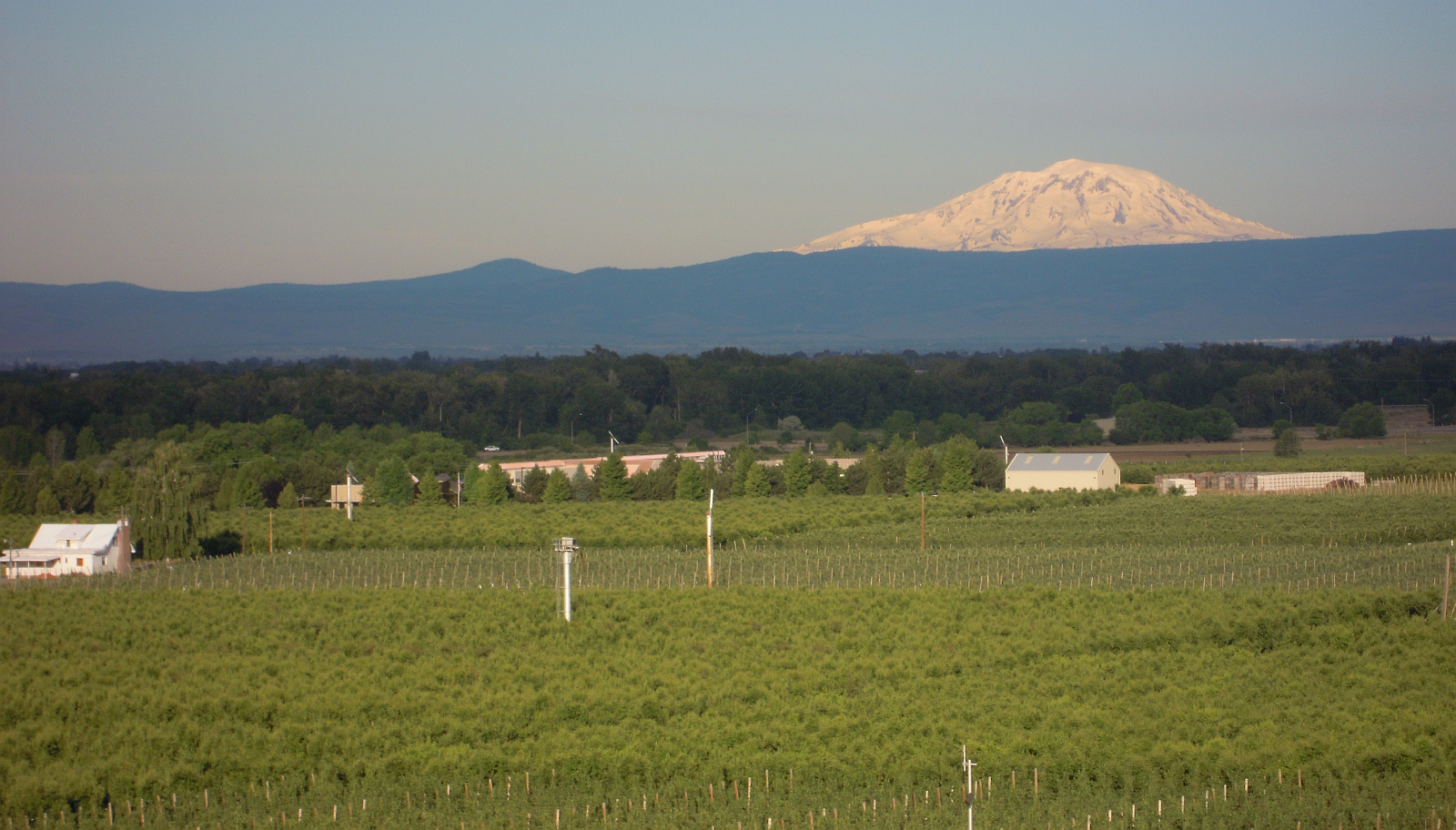
Ag robotics specialist Reservoir is expanding its physical AI network by opening a new testing and development site in Washington State's Yakima Valley, slated for spring 2027. The move brings its hands-on farming community model to the Pacific Northwest, targeting high-value specialty crops like apples, pears, cherries, and cultivated blueberries, alongside expanding trials into wine grapes and hops.
The expansion mirrors Reservoir's established hubs in California and Arizona, offering agtech startups direct access to working farms, researchers, and local growers. Founding partners for the Washington site include the Washington Tree Fruit Research Commission and the North American Blueberry Council, with financial backing from the Tri-City Development Council. Major machinery players like John Deere and Western Growers are also backing the initiative to streamline ag tech validation.
For regional growers dealing with soaring input costs and persistent labor shortages, the initiative addresses a core bottleneck: local adaptation. In Washington orchards, labor accounts for over half of variable costs, making harvest mechanization and precision management critical. By embedding startups directly into local agricultural conditions from day one, the program ensures that autonomous systems—ranging from precision sprayers and weed-zapping robots to advanced harvesters—are genuinely ready for commercial deployment.
Rather than developing monolithic, full-stack machines, Reservoir is increasingly focusing on novel components and modular integrations. Startups joining the Washington site include companies specializing in AI-powered robotics, drone-based bird mitigation, precision weed electrocution, and computer vision. This modular approach allows different technological layers—such as combining ultraviolet light treatment with electrical weed control—to be integrated across existing autonomous fleets already operating in the field.
As physical AI attracts deeper venture backing and hardware development cycles shrink, hubs like Reservoir Farms are bridging the gap between Silicon Valley software and muddy farm realities across Europe and North America. For agronomists and commercial producers, this signals a rapid acceleration in modular, practical robotics designed to tackle intensive specialty crop challenges without requiring heavy redesigns of existing orchard and vineyard layouts.