
Rethinking Rice Cultivation: Lower Methane and Higher Yields Through Water Management
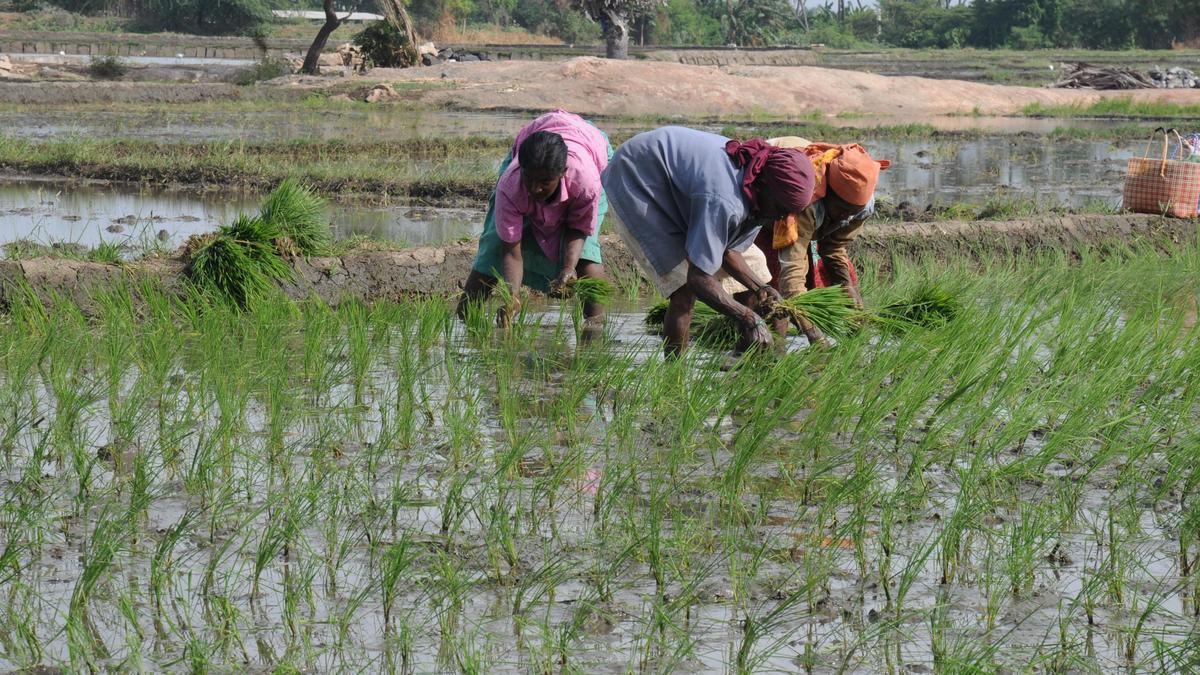
Rice remains a cornerstone of global food security, feeding over half of the world's population. However, traditional continuous flooding in rice cultivation creates ideal anaerobic conditions for methane-producing bacteria, making paddy fields a substantial contributor to agricultural greenhouse gas emissions. As international climate targets tighten, the sector faces mounting pressure to adopt practices that reconcile productivity with environmental stewardship.
A promising solution gaining traction among agronomists and forward-thinking producers is Alternative Wetting and Drying, commonly known as AWD. Instead of keeping fields permanently submerged, AWD involves intentionally draining the soil at specific growth stages before re-flooding. This simple yet effective water management strategy disrupts the methane-generating microbial processes without compromising plant development or overall crop health.
For grain farmers, the financial and operational implications of adopting AWD go far beyond carbon accounting. Field studies consistently demonstrate that controlled water management can significantly reduce irrigation costs and pumping energy expenses, directly improving farm profit margins. Furthermore, intermittent drying encourages deeper root systems, leading to better lodging resistance and, in many cases, enhanced grain yields compared to permanently flooded systems.
Scaling this practice across major rice-producing regions in Europe and globally requires overcoming traditional farming habits and investing in reliable field-level monitoring tools. Agronomists emphasize that implementing AWD successfully depends on precise water level tracking using perforated field pipes, ensuring that fields are re-flooded before moisture stress negatively impacts pollination and grain filling stages.
What this means for the market: As agri-food supply chains face increasing scrutiny over scope 3 emissions, rice farmers who adopt low-methane water management practices will be better positioned for emerging carbon credit markets and premium sustainability standards. Integrating AWD reduces input costs for water and energy while maintaining or even increasing marketable yields, offering a clear economic incentive for sustainable farm management.
— agronom.work editorial team