
Farm-Level Traceability and Residue Control Urged to Curb Rice Export Rejections
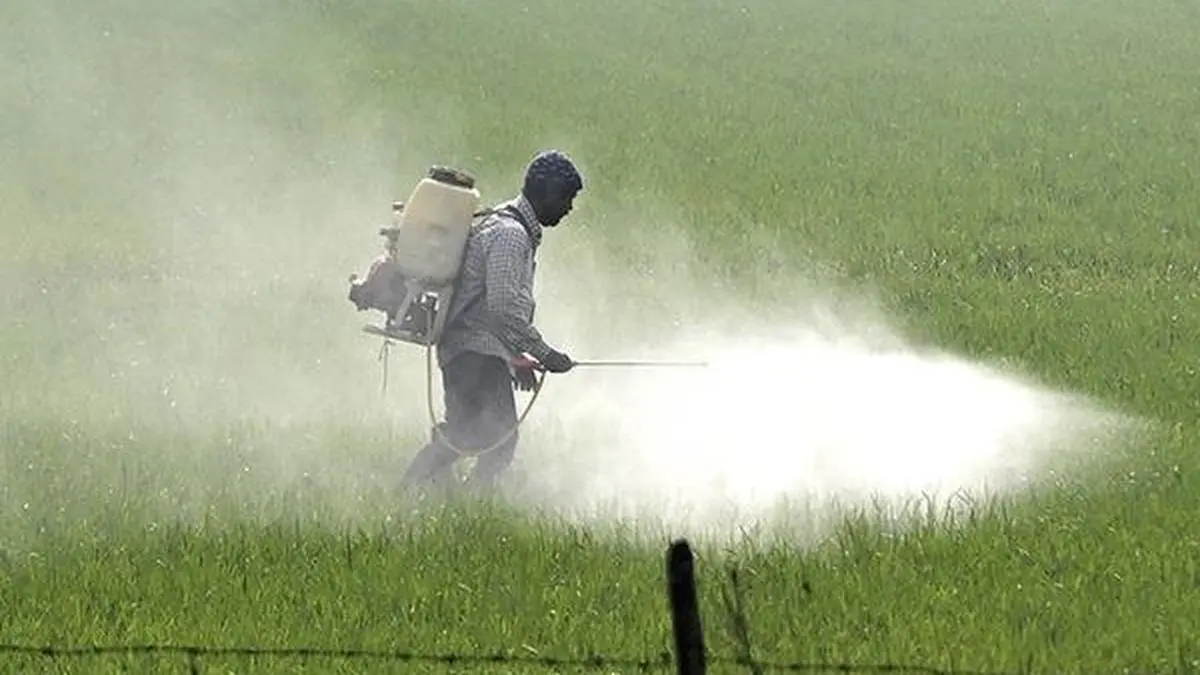
Recent discussions among testing laboratories, inspection agencies, and major agricultural exporters have highlighted a critical vulnerability in global grain trade: non-compliance with strict maximum residue limits (MRLs) in destination markets. As importing countries across the European Union, the Middle East, and Asia tighten their phytosanitary controls, rice shipments increasingly face costly border rejections due to chemical contamination.
For grain producers and exporters, managing chemical applications long before the crop reaches the silo has become a mandatory operational discipline. Industry experts participating at the BIRC conference emphasized that reactive testing at ports is no longer sufficient. Instead, quality assurance must begin directly on the farm through precise agronomic protocols, proper pesticide selection, and strict adherence to pre-harvest intervals.
Traceability systems spanning from the individual field to the final export container are rapidly evolving from a competitive advantage into a strict market access requirement. Modern grain supply chains increasingly demand digital logs documenting every stage of crop production—from sowing and fertilizer application to pest control and harvesting. This transparency protects both the reputation of exporting nations and the financial stability of producers who risk losing entire harvests to border detentions.
Meeting destination-specific regulatory thresholds remains a formidable challenge for fragmented farming sectors, where millions of smallholders apply crop protection products under varying conditions. Bridging this gap requires concerted efforts from agronomists, input suppliers, and extension services to educate growers on safe chemical stewardship and integrated pest management (IPM) practices.
What this means for the market: As international buyers enforce stricter residue tolerances, grain exporters and large-scale producers must invest in robust farm-level tracking and pre-shipment testing to avoid costly border rejections and protect profit margins.
— agronom.work editorial team