
Robotic Citrus Harvesting: Nanovel Targets Southern Europe and US Markets
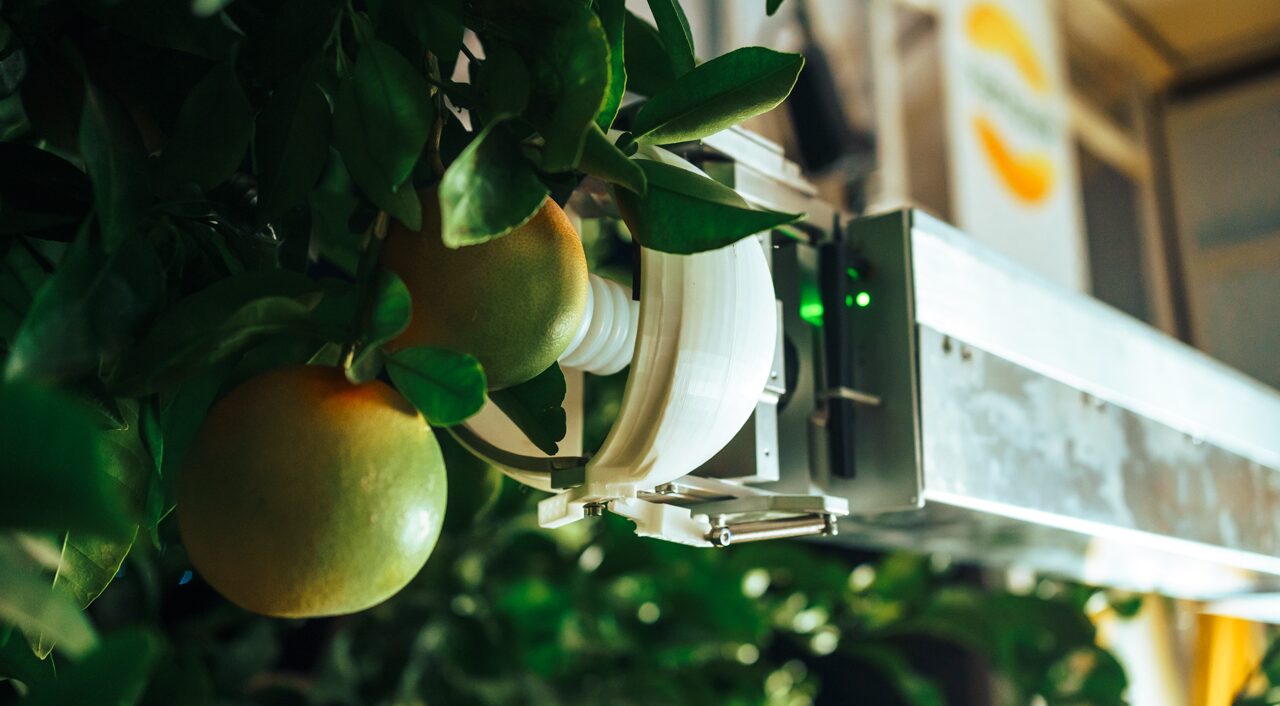
Harvesting citrus remains a significant hurdle for ag-robotics. Unlike crops grown in controlled environments or uniform trellis systems, oranges often sit deep within dense foliage. This requires robots to perform complex 3D navigation, move branches without damaging fruit, and perform precise stem cutting—all at a speed that makes economic sense for growers.
Nanovel, an Israeli agtech firm, is currently testing a system that utilizes six telescopic arms coordinated by advanced AI and computer vision. The goal is not to eliminate labor entirely, but to shift the role of the worker. By allowing a robot to handle 70-80% of the fruit, a single human operator can focus on the remaining difficult-to-reach yield, potentially tripling or quadrupling their overall productivity.
For growers in Southern Europe, where labor availability is tightening and costs are rising annually, this technology could provide the necessary predictability for long-term planning. Unlike seasonal human workforces, a robotic fleet offers consistent operations, regardless of weather-related delays or labor shortages, which currently account for up to 50% of citrus production costs.
The company has secured a €2.5 million grant from the European Innovation Council and is mapping out trials in southern Europe for 2027. Nanovel plans to sell these machines directly to large-scale citrus growers, with a projected price of approximately $400,000 per unit. They estimate a five-year payback period based on current labor cost savings in the US and EU markets.
Context for farmers: While robotic harvesting is still in its pilot phase, it signals a shift toward owning capital equipment to hedge against volatile labor markets. Growers in citrus-producing regions should monitor these developments, as the integration of data collection—mapping fruit size and quality during harvest—may soon provide additional value beyond simple picking labor savings.
— agronom.work editorial team