
Rising Commodity Costs in India: A Signal for European Ag Markets
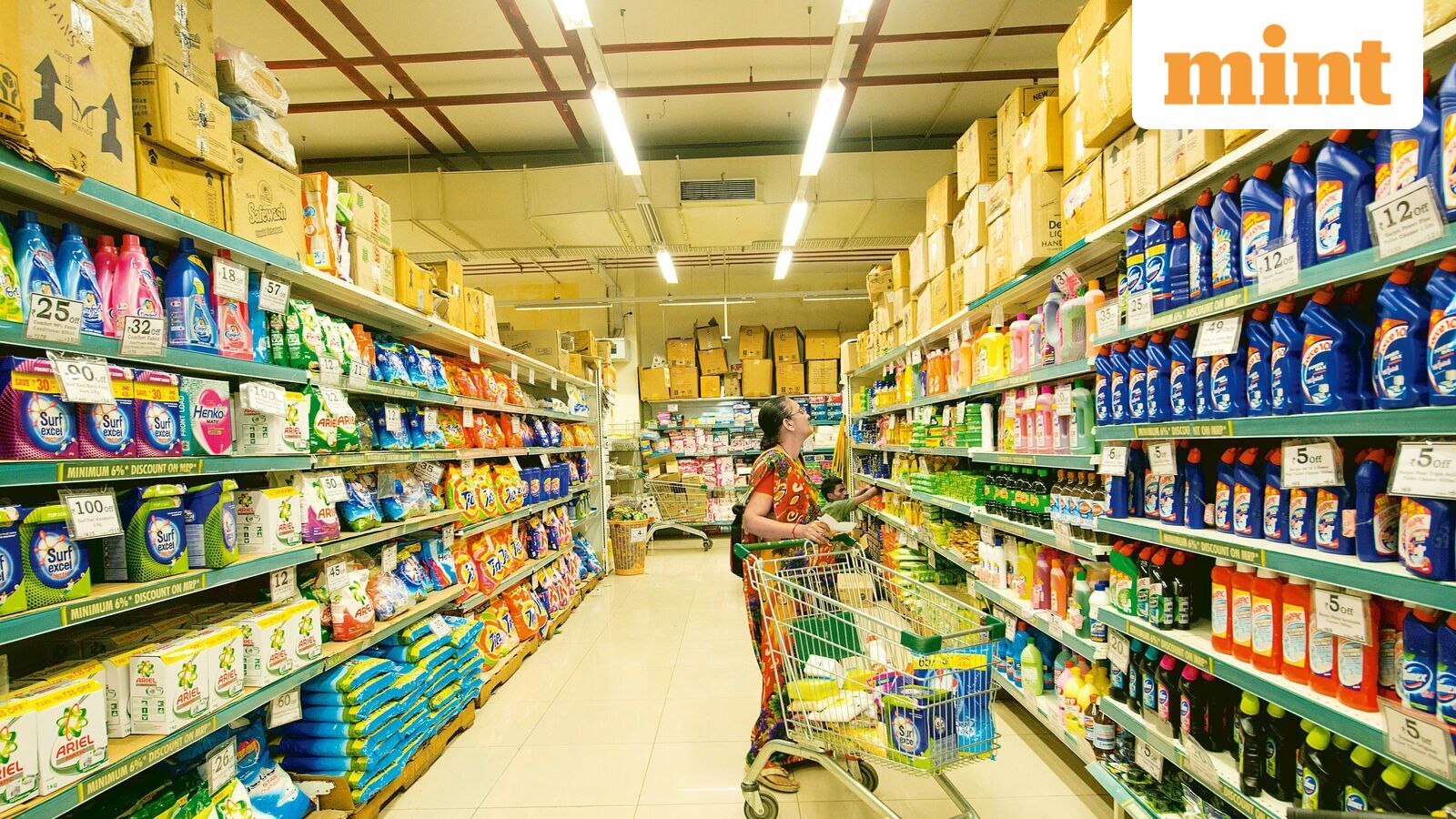
India's largest consumer goods manufacturers have announced an upcoming wave of price increases, citing sustained volatility in global commodity markets. The primary driver behind these adjustments is the ongoing conflict in West Asia, which has disrupted supply chains and increased the cost of essential raw materials used in manufacturing, ranging from agricultural extracts to petrochemical derivatives.
For the agricultural sector, this trend serves as a bellwether for global inflation. When major economies like India face rising production costs due to geopolitical instability, it often signals tightening supply chains for inputs such as fertilizers, pesticides, and fuel. European producers, who are already balancing thin margins, should anticipate potential ripple effects on both the cost of imported inputs and the global demand for exported commodities.
The integration of the global agricultural market means that localized crises—whether in the Middle East or South Asia—can quickly translate into increased shipping insurance, fuel surcharges, and raw material premiums in Europe. While the Indian market's immediate focus is on consumer goods like toothpaste and tires, the underlying pressure on raw agricultural inputs is a constant concern for those managing large-scale arable farming operations.
Agronomists and farm managers should monitor how these price hikes affect the global trade of oilseeds and grains. If raw material inflation continues to accelerate, we may see a subsequent rise in the cost of logistics and farm machinery maintenance parts that rely on global supply chains. Keeping a lean inventory of essential inputs during periods of heightened geopolitical tension is a strategy many European cooperatives are currently reviewing.
Context for farmers: Geopolitical instability in oil-producing regions traditionally drives up input costs for European agriculture by increasing energy and logistics prices. Farmers should prepare for potential volatility in fertilizer pricing and consider locking in supply contracts early to mitigate the risk of seasonal spikes.
— agronom.work editorial team