
Russia in Talks Over Türkiye’s Black Sea Shipping Security Plan
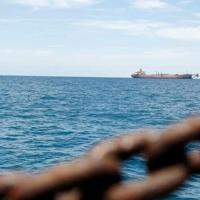
Diplomatic channels between Moscow and Ankara have opened up regarding a Turkish proposal aimed at securing maritime navigation in the Black Sea. The initiative focuses on halting attacks on commercial vessels, a critical step for safeguarding uninterrupted agricultural trade and ensuring the safety of bulk carriers moving through the region's vital corridors.
For grain producers, traders, and logistics operators across Eastern Europe, the stability of Black Sea shipping lanes remains a top priority. Any credible mechanism that reduces maritime risks can directly influence freight rates, maritime insurance premiums, and the overall reliability of food supply chains connecting producers in the Black Sea basin to global markets in the Middle East, North Africa, and the European Union.
Türkiye has consistently positioned itself as a key mediator in maritime security negotiations, leveraging its control over the Turkish Straits under the Montreux Convention. Ankara's renewed diplomatic push comes as agricultural exporters face ongoing volatility in logistics costs and geopolitical uncertainties that complicate long-term delivery contracts for wheat, corn, and sunflower oil.
While formal agreements have not yet been finalized, the acknowledgment of these talks signals a potential pathway toward mitigating operational risks for commercial fleets. Farm managers and grain traders throughout major exporting hubs in Ukraine, Romania, and neighboring regions will be monitoring these developments closely to gauge potential impacts on export parity prices and seasonal shipping schedules.
As discussions continue, the agricultural sector remains watchful for concrete guarantees that could normalize maritime traffic and provide much-needed predictability for grain logistics ahead of upcoming harvest cycles.