
Russia pivots grain logistics as Sea of Azov vessels face increased security risks
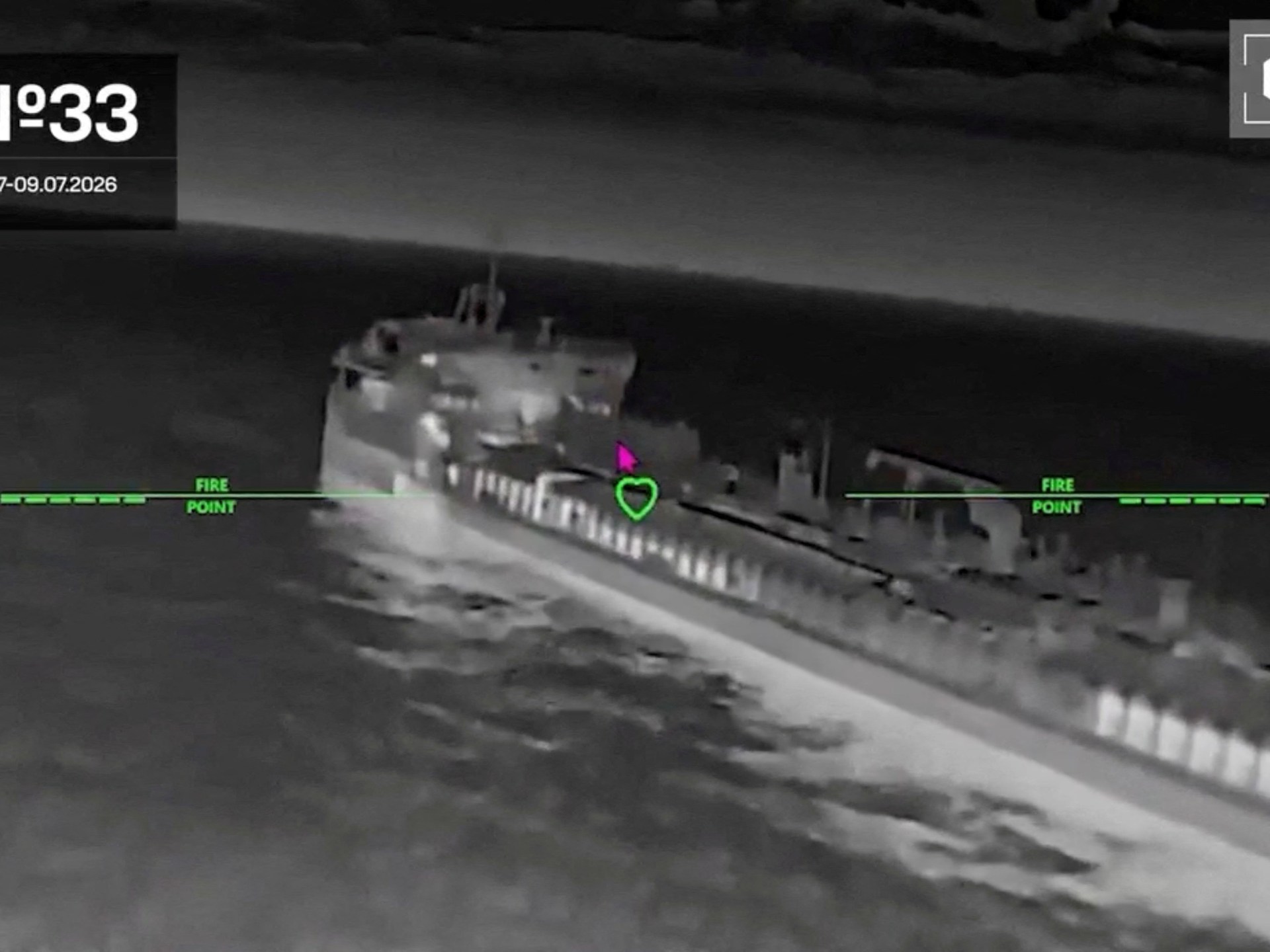
Recent reports indicate that Russian authorities are actively reconfiguring grain export logistics following a surge in maritime drone strikes targeting vessels in the Sea of Azov. This shift comes after Kyiv claimed successful strikes on 11 ships, including tankers and dry cargo vessels critical for bulk shipments.
For the agricultural sector, the Sea of Azov has long served as a vital, albeit increasingly dangerous, transit artery for Russian grain exports. The shift away from these ports forces exporters to rely on more costly and logistically complex rail or Black Sea transit routes, which are already under high pressure.
This disruption creates immediate bottlenecks in regional supply chains. As vessel operators reassess the risk of transit in these waters, insurance premiums are likely to climb, directly affecting the freight component of grain export prices and influencing global market competitiveness.
Farmers in the broader Black Sea basin should monitor the impact on regional export capacity, as any major logistical hiccup in Russia's grain movement often leads to market volatility. Reduced throughput via the Azov Sea may force a redistribution of shipping schedules, potentially tightening the availability of berths at larger deep-water ports.
What this means for the market: Expect increased volatility in grain shipping rates and potential delays in logistics across the Black Sea region. Farmers and traders should prepare for potential price fluctuations as regional export channels remain subject to ongoing security risks that force frequent, unpredictable route adjustments.
— agronom.work editorial team