
Russia's Severe Spring Wheat Delays Could Impact Global Markets
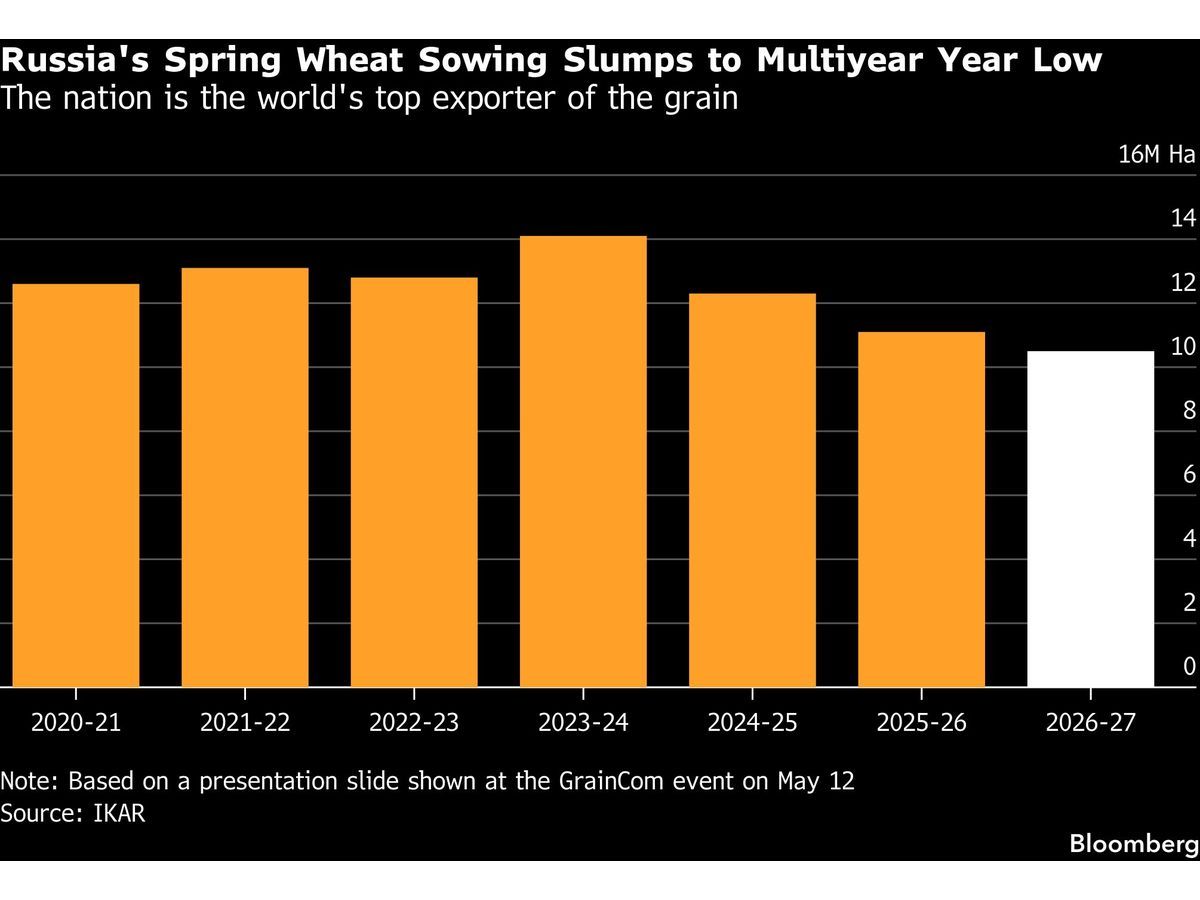
Russia, the world's largest wheat exporter, is facing severe delays in its spring wheat planting campaign due to exceptionally heavy rains and unseasonably cold weather.
These delays represent the worst start to the spring planting season in many years, putting the country's overall wheat harvest at significant risk. For the European agricultural market, this is a crucial development, as any disruption in Russian agricultural exports historically sends ripples through global supply chains.
While spring wheat typically makes up a smaller portion of the overall Russian harvest compared to winter wheat, it plays a vital role in compensating for any earlier shortfalls. The prolonged cold and saturated soils mean that a shortened growing season could ultimately lead to lower yields per hectare and a drop in the protein content of the harvested grain.
For farmers in neighboring European countries such as Poland, Ukraine, and Romania, this situation could translate into reduced competition on export markets during the second half of the year. However, it also introduces additional volatility to global grain prices, which remain highly sensitive to regional weather anomalies and supply constraints.
What this means for the market: European grain producers should watch Chicago and Paris milling wheat futures closely over the coming weeks, as reduced Russian supply could create a highly favorable pricing window to market their own upcoming harvests.
— agronom.work editorial team