
Russian Diesel Export Ban Triggers Supply Fears for European Agriculture
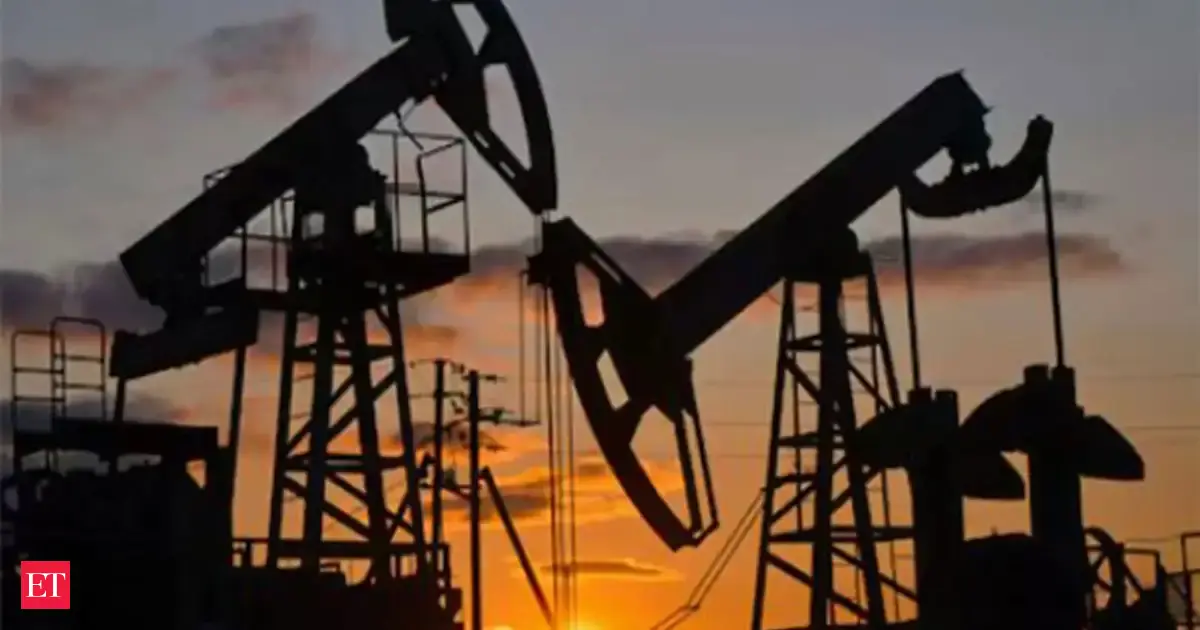
Russia's recent decision to implement a near-total ban on diesel and gasoline exports has sent shockwaves through international energy markets. As one of the world's largest exporters of refined petroleum products, the disruption of Russian supplies is exacerbating existing shortages in a market already strained by geopolitical tensions and refinery maintenance cycles.
For the agricultural sector, diesel is not just an energy commodity; it is a primary input cost that dictates the profitability of crop production. From powering heavy machinery for field operations to the logistics of transporting grain to export hubs, fuel consumption is a major line item in every farm budget across the European Union.
The immediate impact is being felt in the futures market, where gasoil prices have spiked significantly against Brent crude oil benchmarks. While Europe has largely transitioned away from direct imports of Russian diesel, the global interconnectedness of the market means that localized supply shocks create inflationary pressure everywhere. As other regions scramble for non-Russian diesel, supply chains stretch and premiums rise.
Looking at the operational timeline, this comes at a challenging moment. In many parts of Europe, farmers are currently in the midst of, or preparing for, critical late-autumn tillage and winter crop sowing. Increased fuel costs during these peak periods directly erode profit margins, often forcing producers to choose between cost-cutting on inputs or absorbing lower net returns at the end of the harvest.
What this means for the market: Farmers should brace for sustained volatility in fuel prices throughout the remainder of the season, making aggressive fuel hedging or bulk storage management essential. Monitor local diesel premiums closely, as logistics disruptions can cause regional price spikes even when global benchmarks appear to stabilize.
— agronom.work editorial team