
Russian Infrastructure Strikes Threaten Ukrainian Grain Exports and Farm Logistics
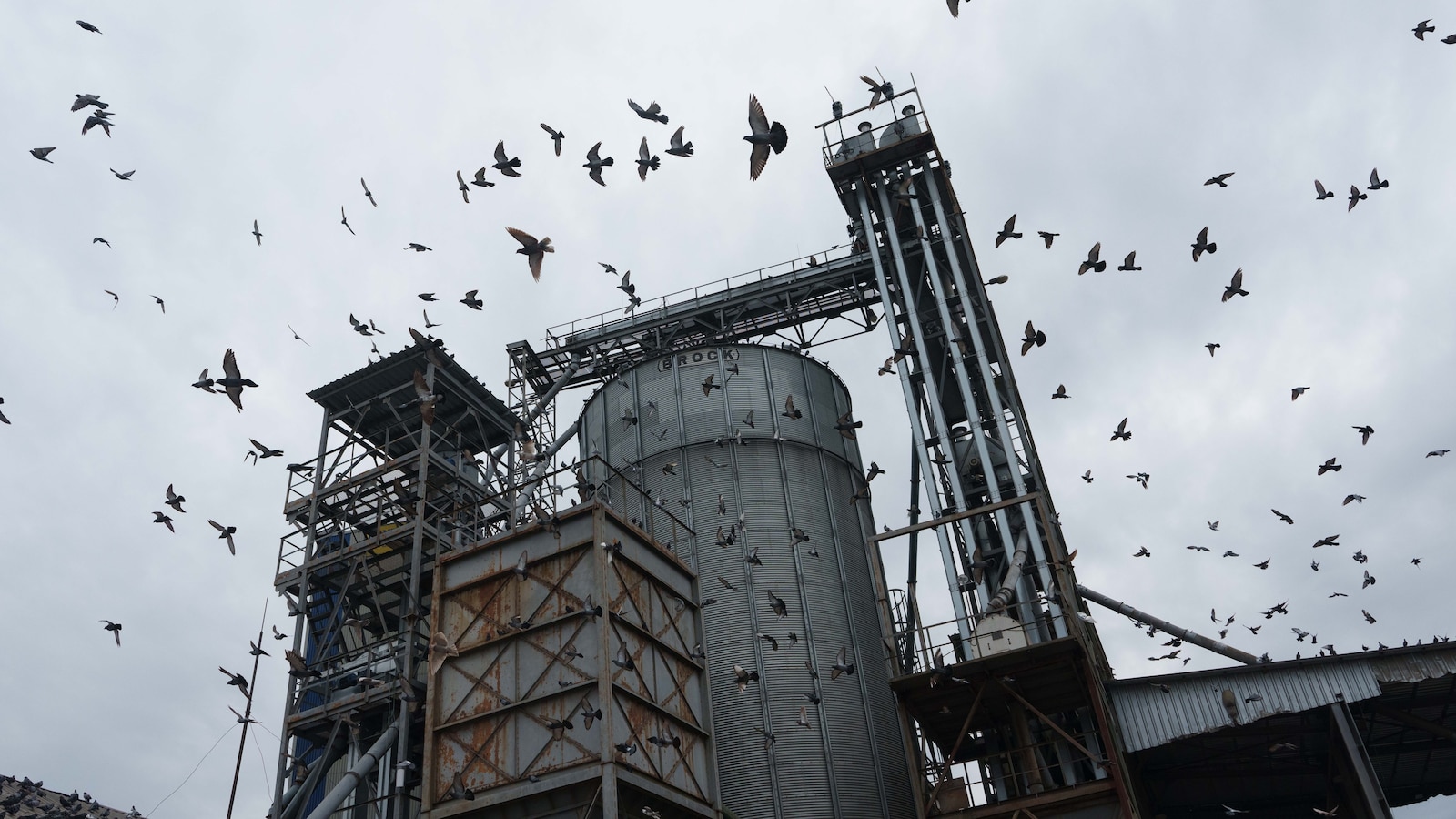
The continuous wave of targeted airstrikes across Ukraine is placing immense pressure not only on heavy industry like steel production, but fundamentally on the agricultural sector's ability to move commodities to global markets. Facilities that process raw materials, manufacture inputs, and handle regional logistics are enduring heavy collateral or direct damage. For European and international grain markets, these disruptions immediately translate into severe bottlenecks for Ukrainian corn, wheat, and oilseed shipments.
Ukraine remains a vital breadbasket for the European Union and the wider developing world. However, the systematic targeting of Black Sea ports, Danube terminals, and railway junctions forces exporters to rely on slower, more expensive overland routes through Poland, Romania, and other neighboring states. These logistical friction points inflate transport costs for local agricultural producers, squeezing farm-gate prices inside Ukraine while raising input acquisition costs for everything from diesel to replacement machinery parts.
Beyond immediate trade blockages, the persistent energy deficits caused by strikes on power grids complicate post-harvest grain drying and storage operations. Elevators and processing plants must increasingly rely on costly diesel generators, adding to the operational overhead of Ukrainian agricultural enterprises. This energy insecurity risks grain spoilage if moisture management cannot be maintained during damp weather periods, threatening the quality and volume of exportable grain arriving in European ports.
For European agronomists and traders operating in countries bordering Ukraine, these developments mean continued volatility in regional grain supplies and pricing. While alternative trade routes through the solidarity lanes have improved since the early days of the full-scale invasion, the sheer scale of infrastructural degradation inside Ukraine complicates long-term supply predictability and fertilizer availability across Eastern Europe.
What this means for the market: Continued disruptions to Ukrainian logistics and processing capacity will likely sustain price volatility for regional wheat and corn, while keeping alternative transit corridors through Central Europe under heavy operational strain.
— agronom.work editorial team