
Fertilizer Supply Chain at Risk: Hormuz Disruptions Threaten European Markets
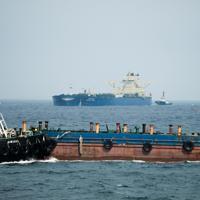
The escalating geopolitical tensions in the Middle East and subsequent shipping disruptions through the Strait of Hormuz are creating a ripple effect that threatens agricultural supply chains. Turkey, a pivotal player in the regional fertilizer market, is currently facing significant import risks. This bottleneck is sounding alarm bells not just in Istanbul, but across European agricultural sectors that rely on stabilized input costs.
Turkey is heavily dependent on imported raw materials, such as natural gas, ammonia, and phosphates, which are essential for manufacturing synthetic fertilizers. The Strait of Hormuz serves as a critical maritime artery for these shipments coming from the Persian Gulf. With vessels being rerouted or delayed, the cost of freight and insurance is surging, costs that are inevitably passed down to the end consumer—the farmer.
For the European agricultural market, particularly in neighboring regions like the Black Sea, Romania, and Ukraine, Turkey is a crucial node. It acts as both a manufacturer and a transit hub for agricultural inputs. Any slowdown in Turkish fertilizer production could lead to tightened supplies across Eastern and Central Europe, putting pressure on already tight farm margins as the new planting seasons approach.
Agronomists and farm managers are closely monitoring the situation, recalling the severe fertilizer price spikes of 2022. While current inventories might buffer immediate shocks, prolonged disruptions could force European farmers to rethink their nutrient management strategies, potentially shifting towards organic alternatives or precision application technologies to maximize the efficiency of available synthetic fertilizers.
What this means for the market: The tightening supply of raw materials in the Middle East is a strong signal for European farm operations to secure their fertilizer inputs early. Delaying procurement could expose farm budgets to severe price volatility in the coming months.
— agronom.work editorial team