
US Seasonal Farmworker Wage Rule Overturned: What It Means for Labor Costs
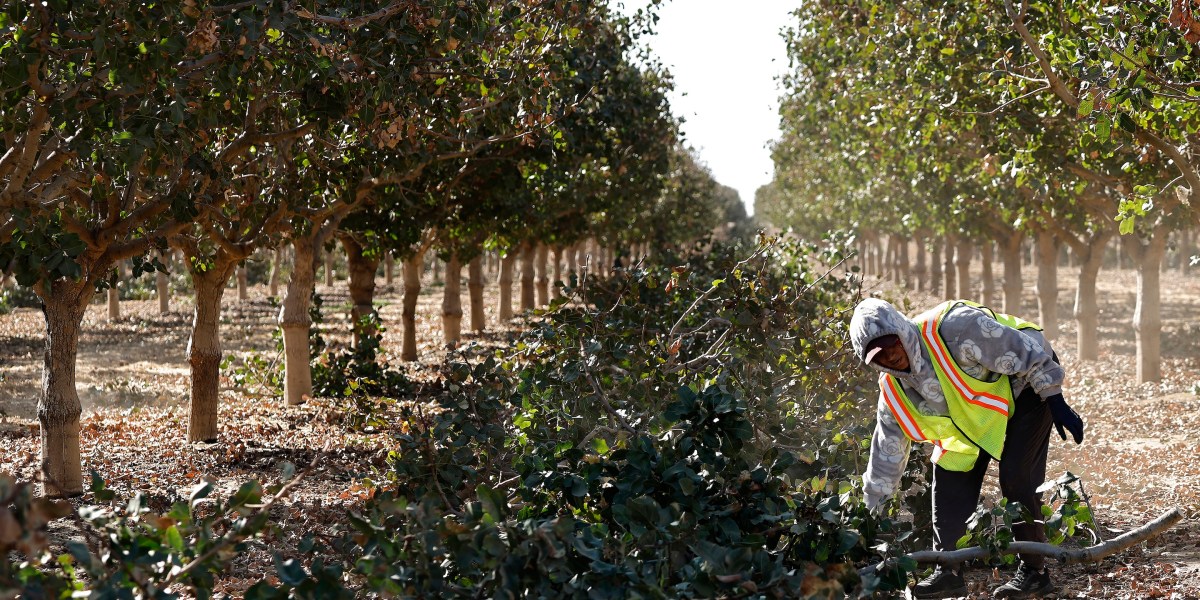
A recent federal court ruling in the United States has invalidated a controversial wage formula that governed the pay of nearly 400,000 seasonal farmworkers. The decision centers on changes originally enacted during the Trump administration, which critics argued systematically suppressed wages by shifting billions of dollars in labor costs away from growers and into the pockets of agricultural employers at the expense of domestic and foreign guest workers.
The court's ruling places immense pressure on the U.S. Department of Labor, which now faces a strict deadline of December 30 to replace the invalidated rule. If federal regulators fail to establish a compliant replacement wage formula by this hard deadline, compensation rates are legally mandated to snap back to higher previous standards established during the Biden administration.
For agricultural producers heavily reliant on the H-2A guest worker visa program, this legal pivot threatens a sudden resurgence in labor expenditures. Seasonal labor represents one of the most volatile and significant overhead costs for fruit, vegetable, and specialty crop growers, who have already been grappling with inflation, rising machinery prices, and unpredictable input costs over recent growing seasons.
Beyond immediate operational budgeting challenges, the ruling opens the door for potential retroactive back pay claims for affected farmworkers. Legal advocacy groups representing agricultural laborers are actively assessing the judgment to determine how compensation adjustments might be applied historically, which could introduce substantial financial liabilities for commercial farming enterprises that relied on the lower wage tiers.
What this means for the market: European agronomists and farm managers monitoring transatlantic agricultural trends should view this labor dispute as a warning sign regarding the fragility of seasonal workforce regulations. As labor shortages and wage pressures intensify globally—from North America to key agricultural hubs in Poland, Germany, and the Netherlands—farm business models must account for the high likelihood of regulatory shifts impacting farmworker compensation.
— agronom.work editorial team