
Saline Agriculture Struggles to Build a Commercial Market Despite Growing Soil Salinity
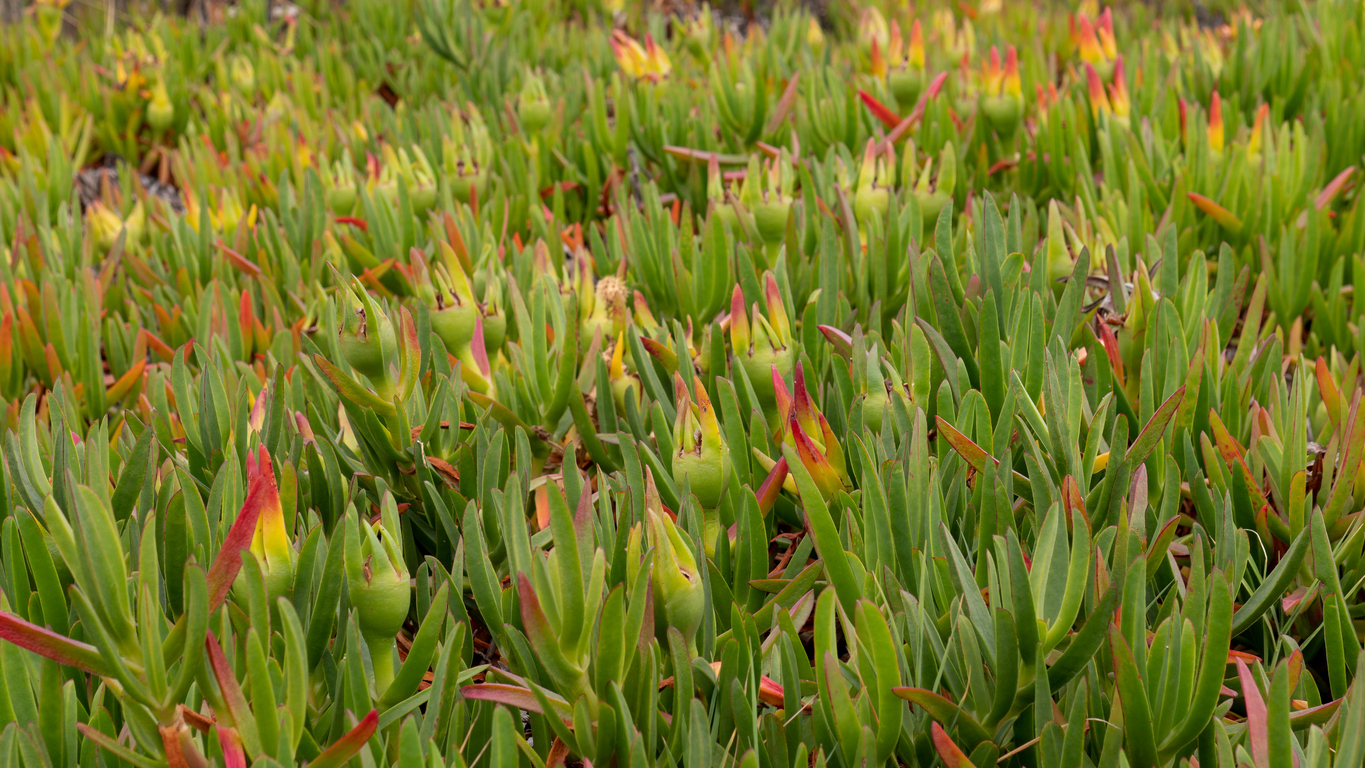
Soil salinization is quietly eroding productivity across millions of hectares worldwide, driven by intensive irrigation, saltwater intrusion, and punishing droughts. While agronomists and researchers have spent decades developing agronomic practices to manage salt-affected soils, a recent study from the IVM Institute for Environmental Studies highlights a different bottleneck: the commercial market for saline agriculture solutions remains remarkably weak. Researchers interviewed 15 businesses across eight countries, revealing a disconnected ecosystem of halophyte growers, biotech firms working on salt-tolerant crops, and specialized irrigation providers.
For working farmers and agritech developers dealing with degrading soils in coastal regions or arid interior plains, the challenge goes beyond simple agronomy. Operators in this emerging sector face a classic chicken-and-egg dilemma. High customer acquisition costs, a lack of widespread consumer awareness, and difficulties securing large supplier contracts make it hard to scale operations. Unlike a sudden crop disease outbreak or an obvious heatwave, soil salinity accumulates stealthily, making it harder to convince mainstream agricultural producers to invest in proactive fixes until yields have already severely plummeted.
Interestingly, the study noted that chronic financing shortfalls—usually the primary hurdle for agrifood startups—took a back seat to the fundamental lack of demand. Entrepreneurs growing salt-loving halophytes like salicornia or saltbush, alongside companies developing advanced desalination and seed treatments, find themselves struggling to gain traction with major incumbent food corporations. Many pioneers expressed frustration at how difficult it is to break into corporate boardrooms, despite offering viable alternatives to drawing down deep, increasingly scarce freshwater irrigation wells.
Another hurdle slowing down commercialization is the lack of standardized sustainability metrics across the sector. While almost all operators are deeply driven by environmental and societal missions—such as restoring abandoned salt flats or valorizing marginal land—they define and prioritize sustainable outcomes differently. This fragmentation prevents the industry from forming a unified narrative, complicating efforts to engage major institutional partners, policymakers, and mainstream food supply chains.
What this means for the market: As freshwater scarcity and soil degradation pressure farm economics across Europe and beyond, growers dealing with encroaching salinity should monitor emerging halophyte crops and salt-tolerant seed varieties as alternative land-use options. However, widespread commercial adoption will likely lag until market channels mature and supply chain giants incorporate these climate-resilient ingredients into mainstream portfolios.
— agronom.work editorial team