
US-China Summit Looms: Potential Soybean Trade Shifts Affecting Global Grain Markets
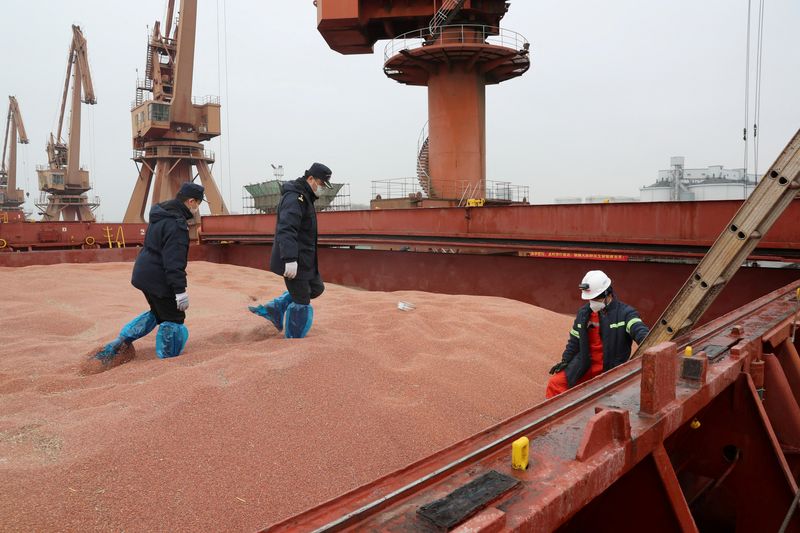
As global markets prepare for the upcoming summit between President Xi Jinping and President Donald Trump, the agricultural sector is closely monitoring potential announcements regarding grain trade. Speculation suggests a deal could be struck to expand Beijing's purchases of U.S. agricultural products, a move intended to rebalance trade relations between the two largest economies in the world.
For producers and exporters in Europe, this development carries significant weight. China is a major driver of global commodity pricing; shifts in its procurement strategy directly impact international price benchmarks for oilseeds and cereals. Any significant reallocation of Chinese buying power away from South American markets towards the US could create price volatility in European ports, where importers often rely on a diversified mix of origins.
Despite the optimism surrounding the talks, industry analysts note that China's appetite for soybeans may be constrained by shifting domestic livestock demands. Changes in feeding practices and efforts to bolster domestic grain security mean that Beijing is no longer pursuing unbridled growth in soy imports. This nuance is critical for agronomists assessing long-term market trends for alternative protein sources.
Farmers should be prepared for potential ripple effects across the agricultural supply chain. If an agreement does materialize, it could influence shipping logistics, freight rates, and local input costs for livestock producers who rely on imported feed components. Keeping an eye on how these high-level negotiations translate into actual purchase volumes is essential for navigating the coming season.
What this means for the market: A new trade deal could shift global price points for major grains, requiring European farmers to stay agile in their purchasing of inputs and marketing of their own harvests. Farmers should closely monitor global price benchmarks in the weeks following the summit to adjust their financial planning and risk management strategies accordingly.
— agronom.work editorial team